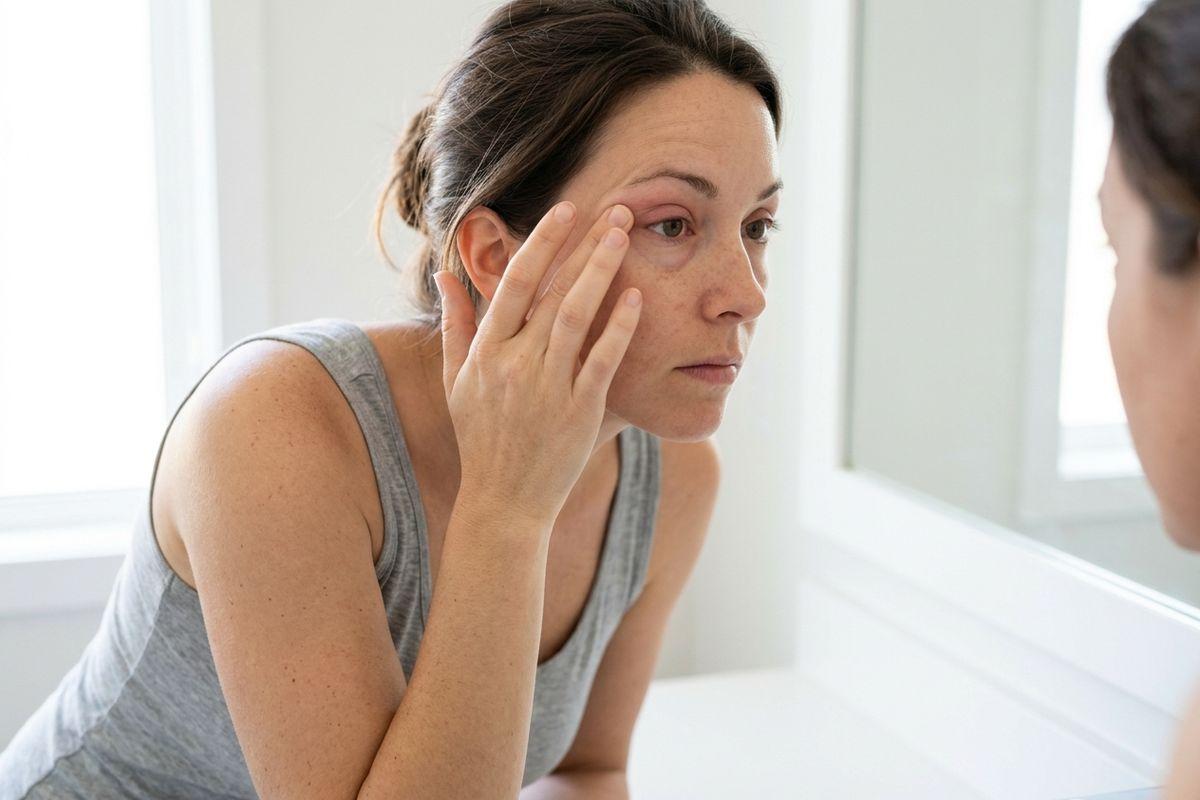


Pink eye has a reputation for spreading fast, so red eyes usually come with a round of mental math about who you’ve been near and what you should cancel. Allergy season muddies that picture. Pollen can leave your eyes just as red and twice as itchy.
Yes, allergies can cause a form of pink eye called allergic conjunctivitis. It starts with an immune reaction instead of an infection, which means you can’t pass it to anyone. Sorting out which one you have saves you a lot of second-guessing, especially when irritation shows up alongside dry eye symptoms that can feel almost identical.
What Allergic Pink Eye Is
Conjunctivitis means inflammation of the conjunctiva, the clear tissue that covers the white of your eye and lines the inside of your eyelid. Small blood vessels run through it. When something irritates them, they widen and become easier to see, giving your eye a pink cast.
Pollen, pet dander, dust mites, and mold are the usual culprits. Your immune system treats one as a threat and releases histamine, which triggers itching and swelling within minutes of exposure. No virus or bacteria is involved. So you can hug your grandchildren and share a car ride without giving it a second thought.
Symptoms of Allergy-Related Pink Eye
Itching points toward allergies more reliably than anything else you’ll notice. Symptoms tend to appear in both eyes at once, and they often arrive with sneezing or a stuffy nose. Watch for a few of these:
- Strong itching that worsens the more you rub
- Redness across the white of the eye
- Watery, clear discharge
- Puffy or swollen eyelids
- A burning or gritty feeling
Don’t rub your eyes. Rubbing helps for about 4 seconds. After that, it releases more histamine, and the itch comes back harder than before.
Key Differences Between Allergic and Infectious Pink Eye
Allergens trigger the allergic form, while viruses or bacteria cause the infectious types. A few details can help you tell them apart without any alarm.
Itching tends to be strong with allergies and milder with infections. Discharge tells you a great deal. Allergies keep it watery and clear, while bacterial pink eye often produces something thick and yellow or green that crusts your lashes overnight. Viral pink eye tends to start in one eye and move to the other over a day or 2, sometimes on the heels of a cold.
Timing helps as well. If your eyes flare every April, or every time you visit the friend with 3 cats, allergies are the likely explanation.
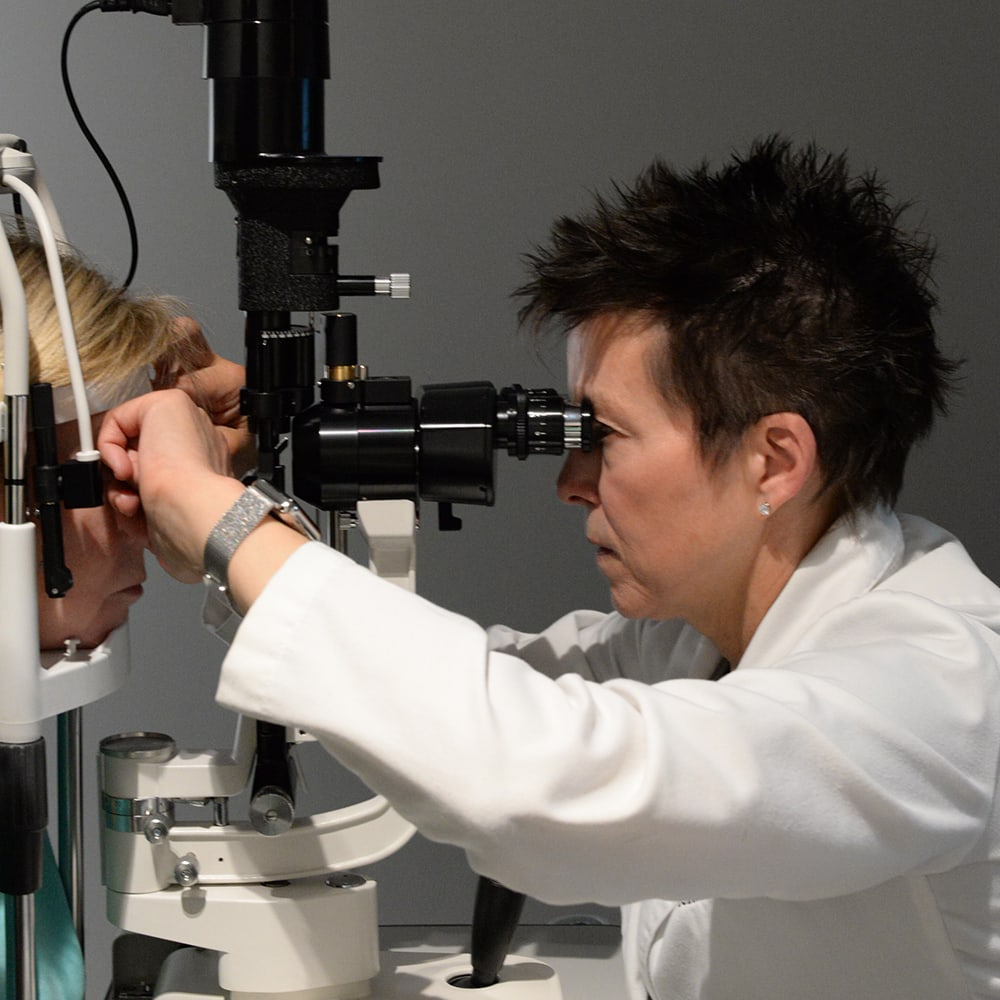
Treatment goes in a completely different direction depending on the answer, so it’s worth nailing down. Antibiotic drops do nothing for a pollen reaction, and staying home from work does nothing for allergies. In-office testing can show what your eyes are reacting to and spare you days of experimenting at the pharmacy shelf.
Allergy Relief You Can Start at Home
Milder cases often settle down with a few small habits:
- Lay a cool, damp cloth over closed eyes for 5 to 10 minutes
- Rinse with preservative-free artificial tears to flush allergens away
- Shower and change your shirt after time outdoors during pollen season
- Keep the windows closed on high-pollen days and run air conditioning instead
- Pause contact lens wear until the redness settles, since lenses hold allergens against the surface of the eye
Try storing your artificial tears in the refrigerator. Cold drops can quiet the itch on contact, which makes them easier to reach for during a bad afternoon.
Eye Drops and Treatments an Optometrist Can Offer
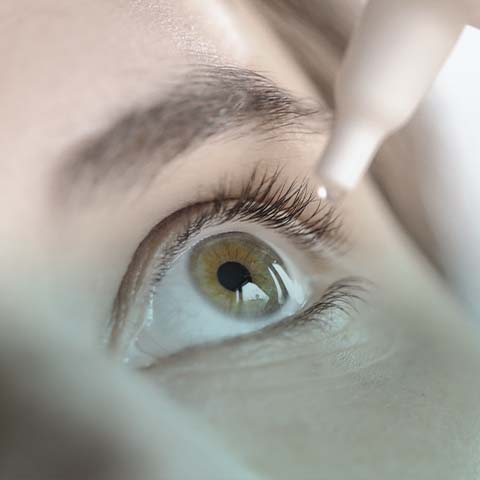
Antihistamine drops calm the itching once a reaction is already underway. Mast cell stabilizers work further upstream by keeping those cells from releasing histamine at all, which makes them useful in the weeks before your usual season begins. Plenty of over-the-counter options combine both, though the strength varies quite a bit between brands.
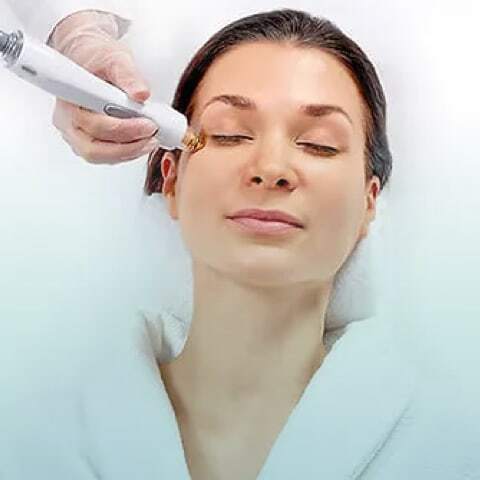
When symptoms persist, prescription drops may be a better fit, and a short course of steroid drops can help in stubborn cases under an optometrist’s supervision. We’ll also look at whether dryness is part of what’s going on. Dry eye and allergies often overlap, and each one makes the other harder to tolerate.
Managing Seasonal and Year-Round Eye Allergies
Some people flare for 6 weeks each spring and feel fine the rest of the year. Others live with dust mites or a beloved cat and never get a clean break. Your plan should look different depending on which one describes you.
Regular checkups let your optometrist track patterns over time and adjust the approach as your triggers change. Starting drops 2 weeks ahead of your usual flare-up, for example, can keep symptoms from building to the point where they interrupt your day. Our team can help you decide what’s worth trying next season.
Find Out What’s Turning Your Eyes Pink
Guessing at the cause of pink eye tends to cost you more time than an exam would. An exam can give you a straight answer, along with a plan you can start this week.
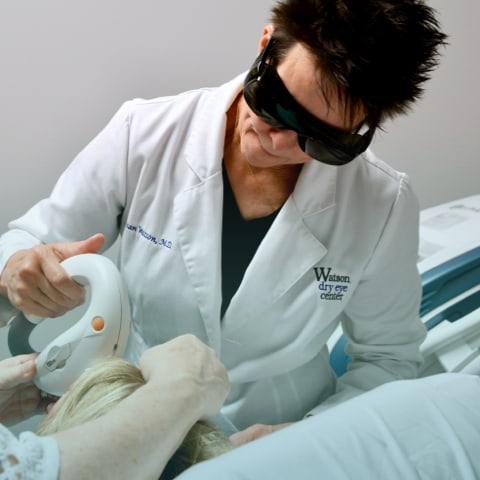
Schedule a visit at Watson Dry Eye Center and let an optometrist tell you whether allergies or something else is behind the redness.