

Key Takeaways
- Ocular rosacea is a form of rosacea that affects your eyes and eyelids.
- Eye signs can show up before, with, or without skin signs.
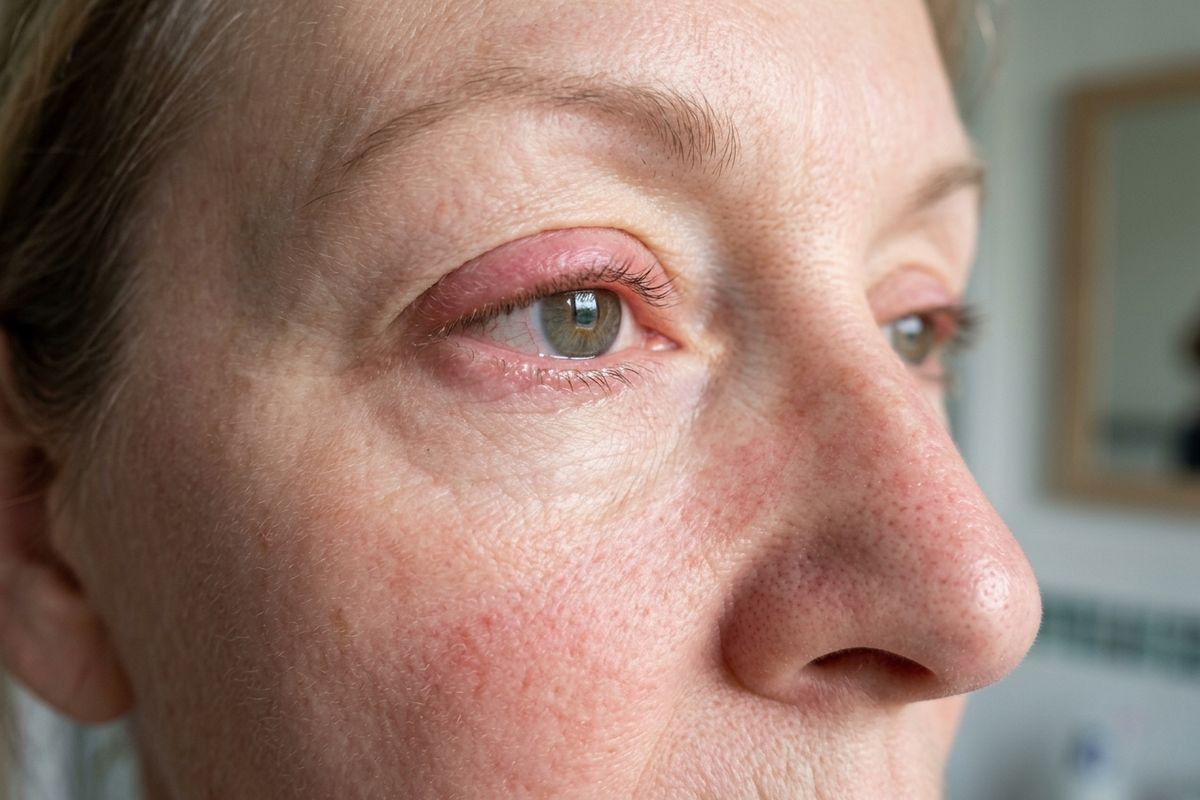
- Red, burning, gritty eyes and swollen eyelids are common signs.
- Spicy foods, sun, stress, and hot showers may bring on flare-ups.
- At-home care, prescriptions, and in-office dry eye treatments can help you manage symptoms.
Your eyes burn by mid-afternoon. Your eyelids look puffy in the mirror, and the drops in your purse barely help. While allergies can cause these symptoms, ocular rosacea and other eye conditions may cause similar discomfort.
Ocular rosacea is a form of inflammation that affects the eyes and eyelids. It can leave your eyes red, irritated, and gritty, with swollen eyelids. An eye exam can help identify the cause of your symptoms and determine which treatments may help.
What Is Ocular Rosacea?
How Skin Rosacea and Eye Rosacea Connect
Rosacea is a long-term skin condition. You might notice your face flushes easily, or acne-like bumps pop up on your cheeks, chin, or nose.
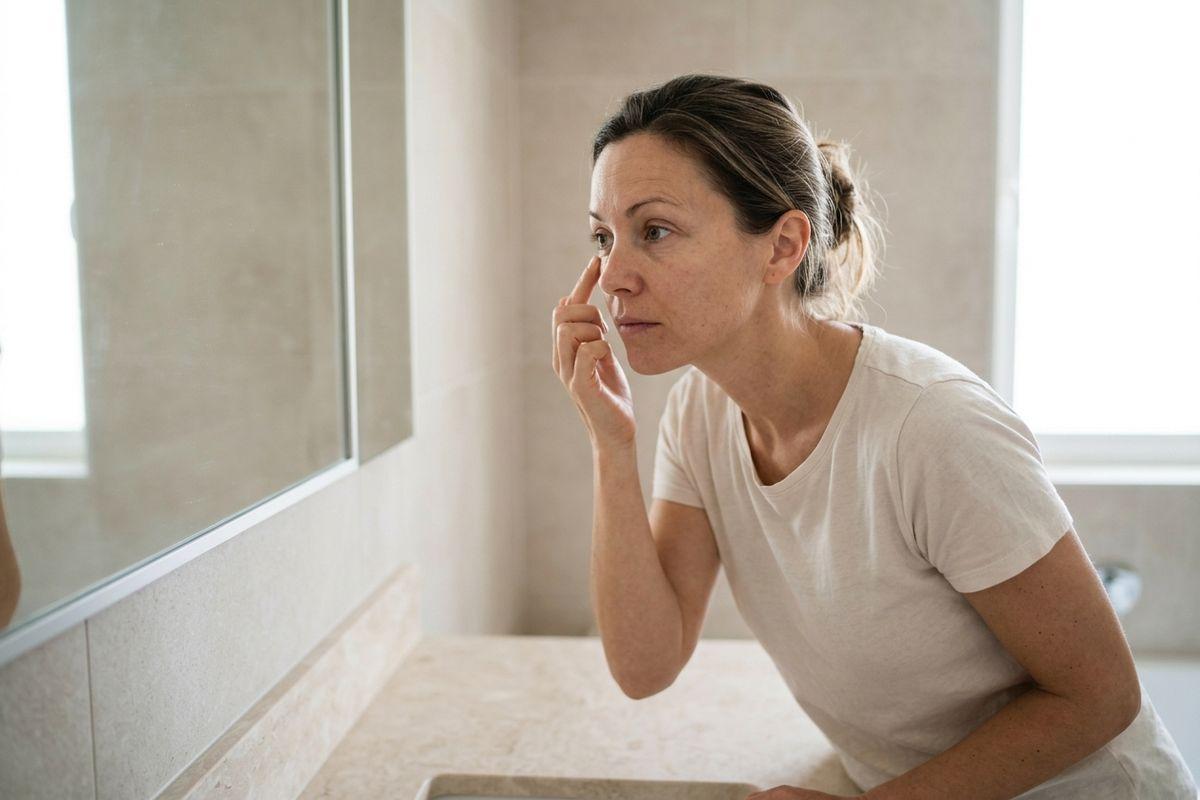
When rosacea affects your eyes, it’s called ocular rosacea. Your eye signs can appear before your skin changes, at the same time, or with no skin signs at all. That’s why you might never connect your sore eyes to your skin.
Who Tends to Get Ocular Rosacea?
Ocular rosacea can affect adults of different ages and skin tones, although it is commonly reported in adults between 30 and 50. Its symptoms can resemble allergies or other eye conditions, and eye symptoms may appear even without obvious facial rosacea.
Signs and Symptoms of Ocular Rosacea
How Your Eyes May Feel
Your eyes may give you clues throughout the day, and these are some of the common ones:
- Your eyes look red, burn, itch, or water.
- Your eyes feel gritty, like sand is stuck under your lid.
- Your vision turns blurry, or bright light bothers you.
What You May Notice on Your Eyelids
Your eyelids can show signs too, so watch for these changes:
- Your eyelids look red and swollen near the base of your lashes.
- You get styes or chalazia, which are small eyelid bumps, again and again.
- You find crusty flakes in your eyelashes when you wake up.
What Can Spark Ocular Rosacea Flare-Ups?
Possible Risk Factors
The exact cause of ocular rosacea is still unknown. Your family history and environment may play a role. Blocked eyelid glands and tiny eyelash mites may also be linked.
Everyday Factors to Watch
Some daily habits and surroundings may bring on a flare-up, including these:
- Spicy foods, hot drinks, and alcohol can bother your eyes.
- Sun, wind, and extreme temperatures can lead to redness.
- Stress, hot showers, and saunas can add to flushing.
Possible triggers vary from person to person. Some people notice flare-ups after eating spicy foods, drinking hot beverages or alcohol, spending time in the sun or wind, or experiencing stress or extreme temperatures. Keeping a simple symptom diary can help you identify your own patterns.
How an Eye Doctor in Raleigh, NC Diagnoses Ocular Rosacea
What Happens at Your Eye Exam
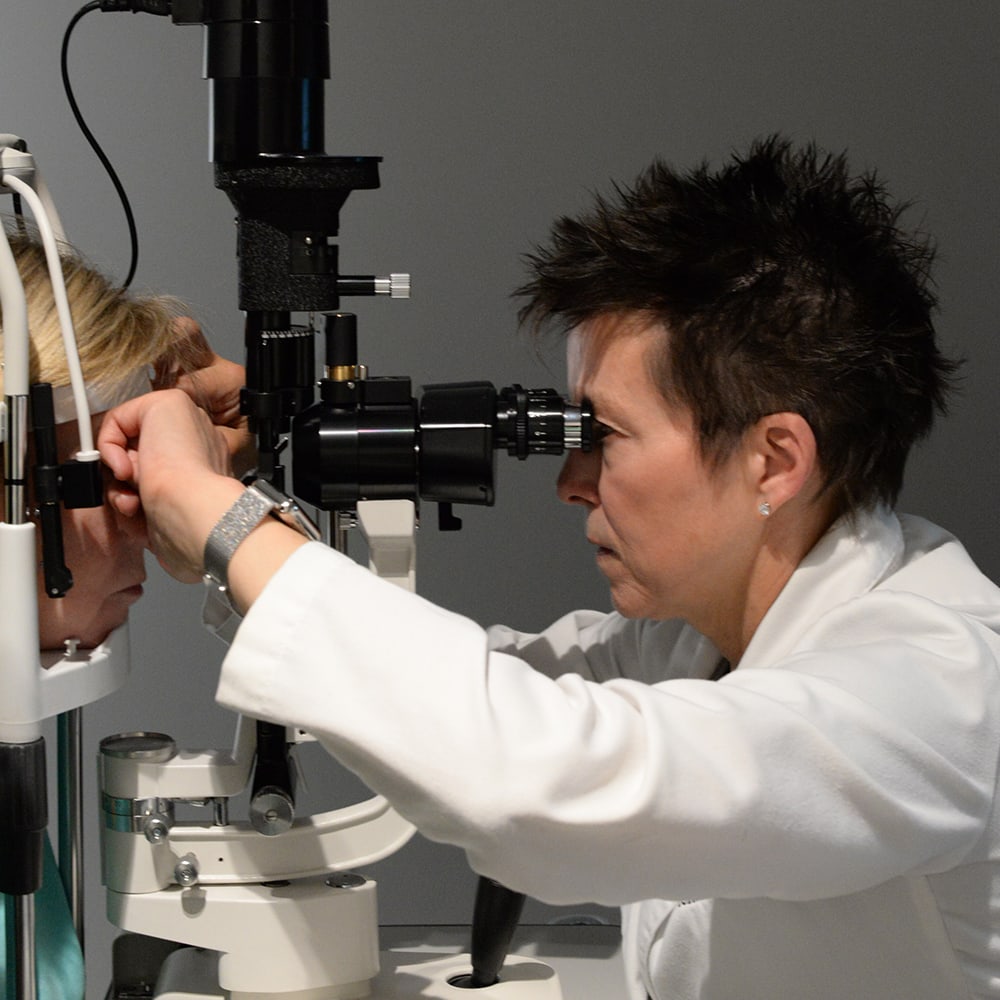
No single test confirms ocular rosacea. Instead, the doctor listens to your symptoms and health history. Then the doctor takes a close look at your eyes, eyelids, and facial skin.
How to Prepare for Your Appointment
A little prep can help you get more from your visit, so bring these notes along:
- Write down your symptoms, what sets them off, and what brings relief.
- List your medications, vitamins, and supplements.
- Note any skin changes like redness, bumps, or flushing.
Ocular Rosacea Treatment and Relief Options
At-Home Care for Daily Comfort
Small daily steps can help your eyes feel calmer, and these are good places to start:
- Use warm compresses and gentle eyelid scrubs.
- Use artificial tears to keep your eyes moist.
- Wash with a gentle cleanser, wear sunscreen daily, and skip makeup during flare-ups.
Prescription Options
Sometimes home care needs extra support. If at-home care isn’t enough, your eye doctor may recommend prescription treatment based on the severity of your symptoms. Options may include antibiotic eye drops, ointments, or oral medication to address inflammation and related eyelid problems. In certain cases, a doctor may prescribe steroid eye drops for short-term use with appropriate monitoring.
In-Office Treatments for Ocular Rosacea
When at-home care isn’t enough, Watson Dry Eye Center offers treatment options that may help manage ocular rosacea and related dry eye symptoms.
Prescription Eye Drops
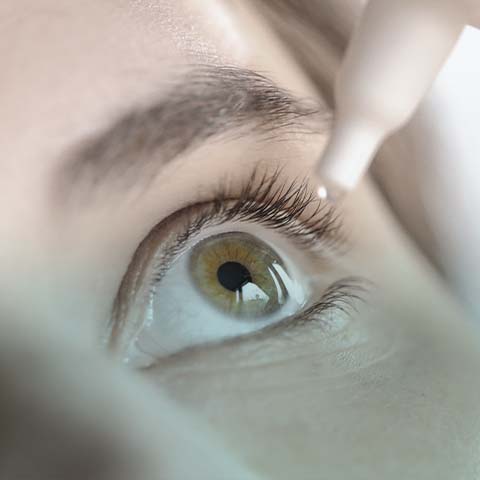
Your eye doctor may recommend prescription eye drops to help relieve dryness, itchiness, and irritation associated with ocular rosacea. The appropriate medication depends on your symptoms and examination findings.
Intense Pulsed Light (IPL) Therapy
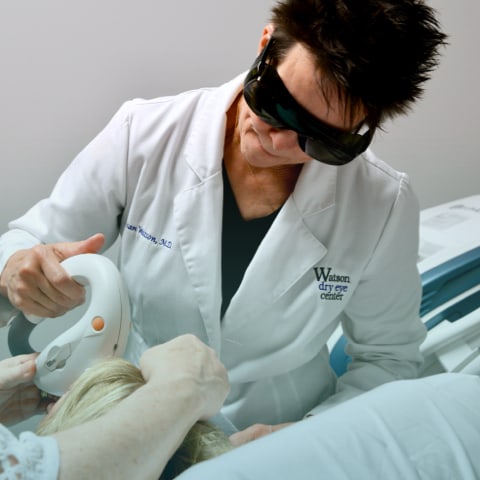
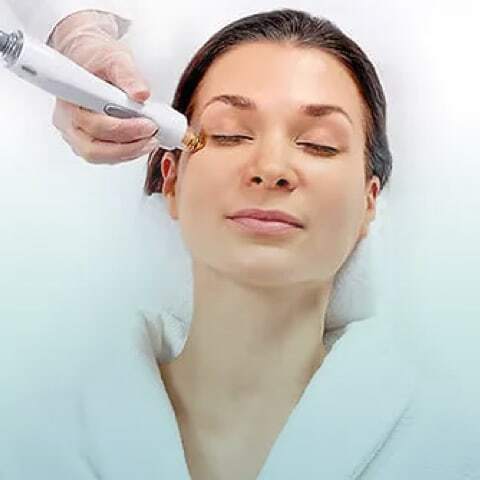
Intense Pulsed Light (IPL) therapy is an in-office treatment that uses pulses of light on the skin beneath the eyes. At Watson Dry Eye Center, IPL can help reduce inflammation associated with rosacea and address blockages in the meibomian glands, which produce the oils that help prevent tears from evaporating too quickly.
Your eye doctor can evaluate your symptoms and determine whether prescription eye drops, IPL therapy, or another treatment approach is appropriate for your needs.
Find Relief With an Eye Doctor in Raleigh, NC
Ocular rosacea can make simple moments, like reading a book or sitting in the sun, feel harder than they should. With the right care, you can manage flare-ups and enjoy more comfortable days.
If your symptoms persist or worsen, the team at Watson Dry Eye Center is ready to welcome you. Book your appointment today and take the first step toward calmer, more comfortable eyes.