

Sjögren’s syndrome is easy to miss. People often spend years describing eyes that burn by mid-morning and a mouth so dry that crackers become hard to swallow, only to hear that everything looks fine.
Waiting for an answer while the dryness continues gets exhausting. A self-assessment quiz can help you recognize signs that may point to Sjögren’s syndrome, though only an optometrist or rheumatologist can confirm a diagnosis through testing. Use the questions below to put words to what you’ve been feeling, then bring your answers to someone who can look closely at the link between autoimmune conditions and dry eye.
What Is Sjögren’s Syndrome?
Sjögren’s is an autoimmune condition, which means the immune system mistakes healthy tissue for a threat. It targets the glands that make moisture, including your tear and salivary glands.
It’s systemic too, so it can affect more than your eyes and mouth. Skin, joints, nerves, kidneys, and lungs can all be involved, and fatigue often comes along with the dryness.
Because so much of that overlaps with other conditions, Sjögren’s tends to go years without a name. Plenty of people first blame aging or a medication.
Common Signs and Symptoms
Symptoms vary widely. Some people notice mild dryness now and then, while others deal with dryness that affects nearly every part of the day.
- Dry, gritty, or burning eyes on most days
- A dry mouth that makes chewing or swallowing harder
- Fatigue that a full night’s sleep doesn’t fix
- Joint pain, stiffness, or swelling
- More cavities than you used to get
Dryness can turn up in your nose, throat, or skin as well. Some people also notice swelling near the jaw, where the salivary glands sit.
Take the Quiz and See If Your Symptoms Point to Sjögren’s
The questions below are a starting point for self-reflection, not a diagnostic tool. Think of them as a way to organize what you’ve been feeling into something you can actually describe out loud.
Jot down your answers.
Bringing that list to an eye doctor or rheumatologist gives them real information to work with instead of a vague sense that something feels off.
Self-Assessment Questions to Ask Yourself
- Do your eyes feel dry, gritty, or burning on most days?
- Is your mouth frequently dry, making it hard to talk, chew, or swallow?
- Do you experience persistent fatigue that doesn’t improve with rest?
- Do you have unexplained joint pain, stiffness, or swelling?
- Are you having more dental problems than usual?
- Do you use artificial tears several times a day and still feel dry?
- Has dryness turned up somewhere else, like your nose, throat, or skin?
Several yes answers give you a reason to book an evaluation. Bring your list along so your optometrist has real detail to work with instead of a vague sense that something feels off.
Why an Accurate Diagnosis Matters
No single test settles the question, which is part of why a diagnosis can take years to reach. That long stretch of uncertainty wears on people as much as the symptoms do.
An earlier answer can change how you manage the condition. Ongoing dryness can wear on the cornea, the clear front surface of the eye, and leave it open to scratches and infection. Saliva protects your teeth in a similar way, so a dry mouth can speed up decay. Start treatment earlier, and you may protect both before problems build.

What Happens Next?
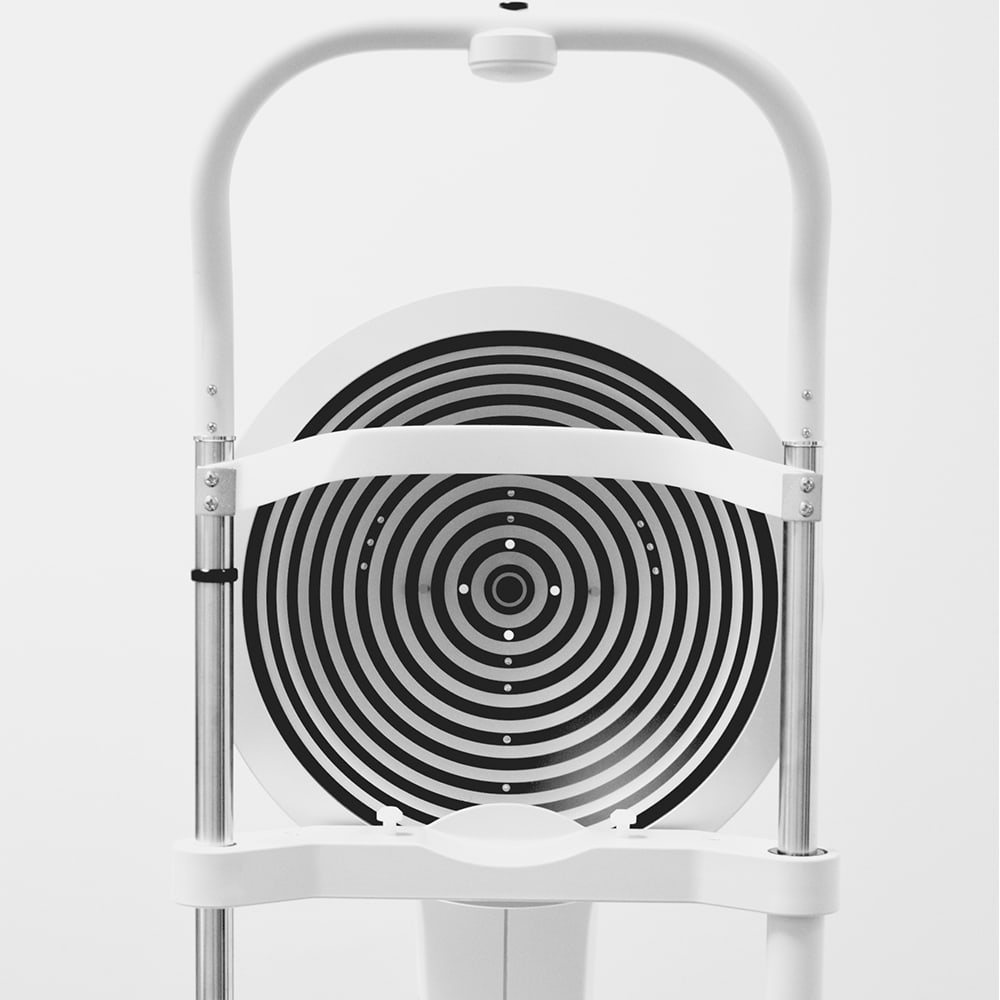
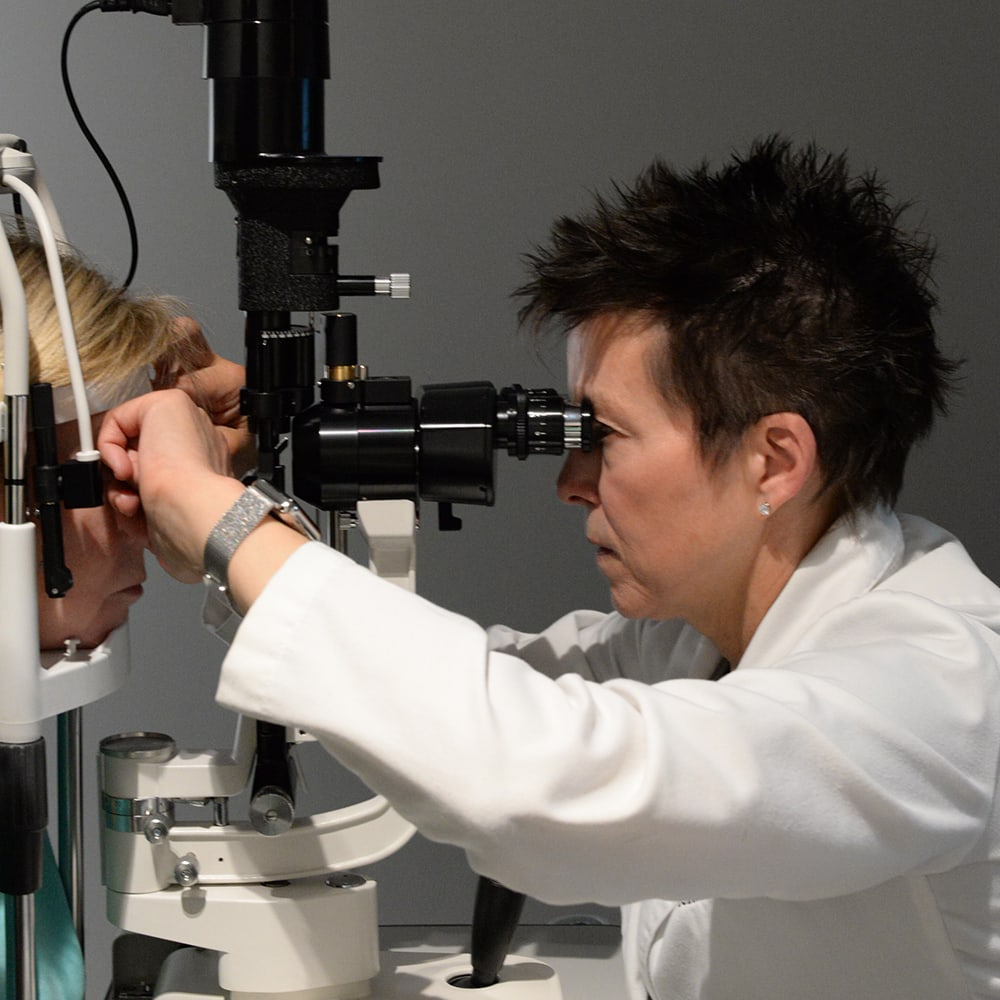
The next step is a comprehensive evaluation. That usually begins with a dry eye exam measuring how quickly your tears break down and how the surface of each eye looks under magnification.
Blood work follows, checking for antibodies tied to autoimmune activity. Some people also have a salivary flow test or a small lip biopsy, and a referral to a rheumatologist pulls the findings together.
Each provider sees a different piece of the picture, so a team approach tends to produce a clearer diagnosis.
How an Optometrist Can Help with Sjögren’s
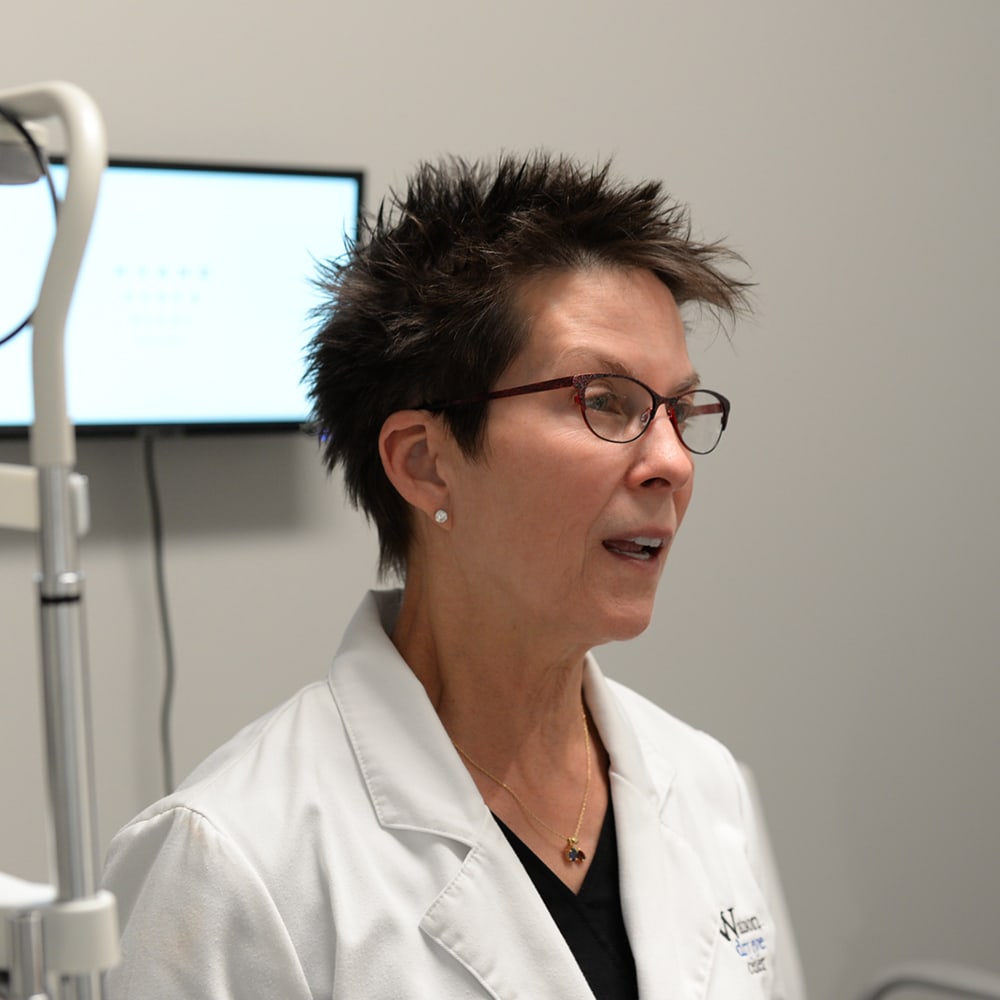
Your eyes often show signs before anything else becomes clear enough to name, which means an optometrist may see the first clues. We use specialized diagnostics to measure how much tear film your eyes produce and to sort out the dry eye side of the condition.
From there, we can work alongside your rheumatologist or primary care provider so everyone’s using the same information.
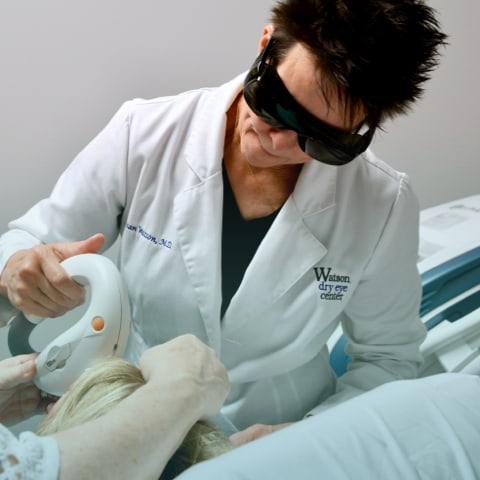
Ongoing care focuses on comfort and protecting your long-term eye health. Punctal plugs can keep your natural tears on the eye longer, and light-based therapy can calm the inflammation behind many dry eye cases.
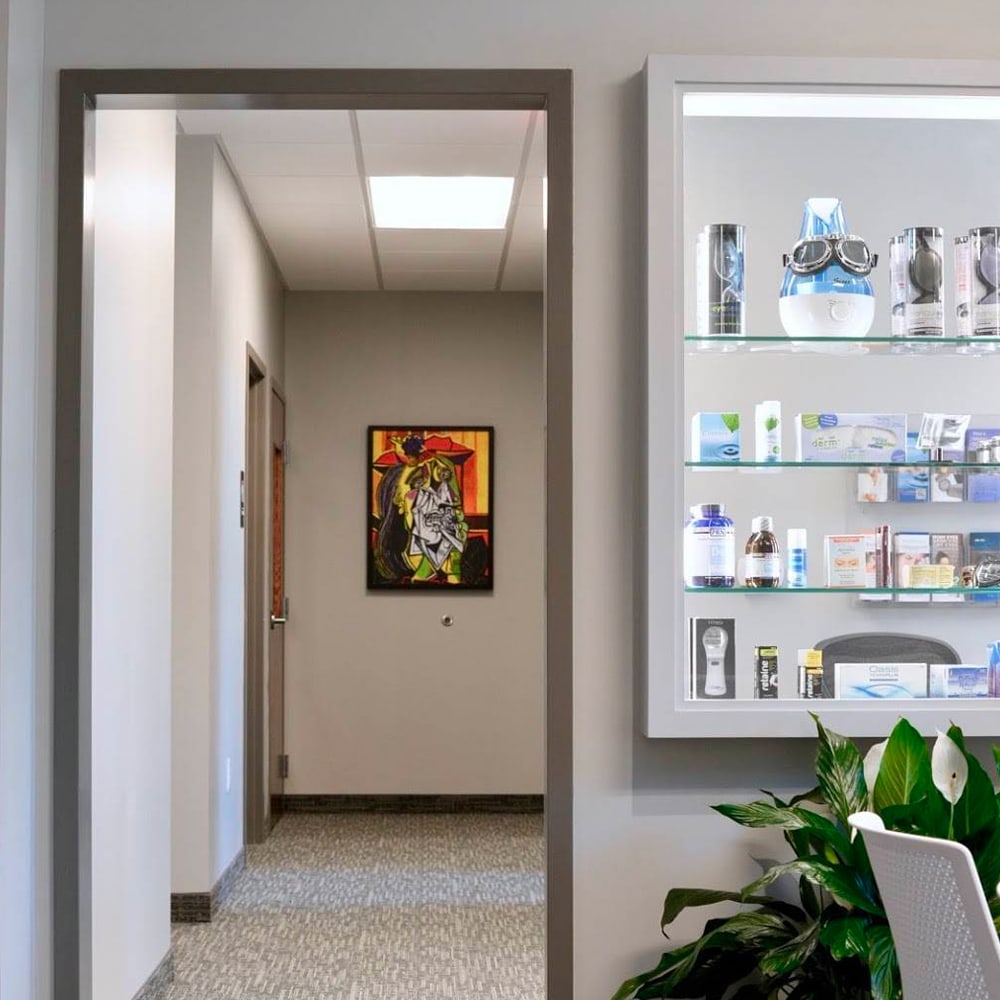
Smaller adjustments help too. A humidifier near your desk, warm compresses at night, prescription drops, and a break from the air vent in your car can each make the day more comfortable.
Get Answers About Your Dry Eyes
This quiz is a starting point, not a diagnosis, so there’s no need to feel alarmed by your answers. It simply gives you language for something you’ve likely been noticing for a while.
You deserve clarity and relief. Bring your list to Watson Dry Eye Center in Raleigh, and let’s look at what’s driving the dryness. Schedule a consultation and find out whether Sjögren’s syndrome could be part of the picture.