

What Does Dry Eye Feel Like?
Dry eye comes up in our exam room almost every day, and it rarely feels the way people expect. Some people describe a sandy, scratchy feeling. Others notice their eyes watering at odd moments, or their vision goes blurry for a few seconds until they blink.
Dry eye can feel like burning, stinging, grittiness, or even watery eyes, and once you know what’s causing it, there are often ways to ease the discomfort. Our dry eye care starts with a conversation about how your eyes feel from morning to night. Those details can point us toward what’s happening with your tears.
What Is Dry Eye?
Dry eye happens when your eyes don’t make enough tears, or the tears they make are poor quality. Without a steady, healthy layer of moisture, the surface of your eye can get irritated.
Symptoms can be mild and come and go, or they can stick around long enough to get in the way of your day. It’s also common for 2 people with dry eye to describe it in completely different ways.
Common Dry Eye Sensations
Dry eye can change from day to day. You might notice a bit of scratchiness when you first wake up, then feel fine by lunch. On a rougher day, reading or driving at dusk can take more effort than it should.
How to Recognize the Signs
Some days you might notice nothing more than a faint scratchiness when you wake up. Other days, reading a book or driving home at dusk feels like a chore. Watch for any of these signs:
- Burning
- Stinging
- A gritty feeling, like there’s sand in your eye
- Redness
- Tired, heavy-feeling eyes
Some people also find bright light harder to handle. If you wear contacts, you may notice them feeling scratchy or uncomfortable well before you’d normally take them out.
Why Dry Eye Can Cause Watery Eyes
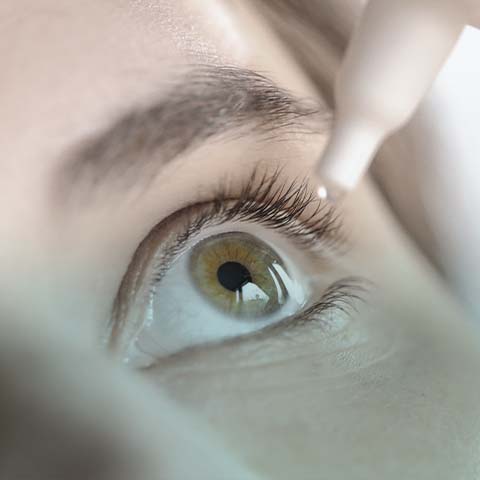
Plenty of people are surprised to learn that dry eye can make their eyes water. When the surface of your eye gets dry and irritated, it may respond by making extra tears. So you might find yourself reaching for a tissue, even though dryness is what’s behind it.
Tear quality often plays a part here. Your tears rely on a thin layer of oil to keep them from evaporating, and that oil comes from tiny glands along the edges of your eyelids. If those glands get clogged, which is called meibomian gland dysfunction (MGD), your tears can dry up faster than they should.
Other Everyday Factors
Everyday habits and surroundings can make symptoms feel sharper. Long stretches at a screen reduce how often you blink. Wind, dry indoor air, and air conditioning pull moisture away. Contact lens wear can add to the irritation, and aging, along with hormonal changes, plays a role for many people, especially women. Tear production tends to slow down as we age, and years of contact lens wear can add to the irritation.
How to Find Relief From Dry Eye Symptoms
Relief can start at home with a few small changes, and your optometrist can help if your symptoms stick around.

At-Home Relief
If your symptoms are mild, try a few of these:
- Use lubricating eye drops (artificial tears)
- Take regular screen breaks and blink fully
- Hold a warm compress over your closed eyes for a few minutes
- Run a humidifier in your bedroom or office
Stick with these habits for 2 weeks or so. If your eyes still bother you after that, let your optometrist know.
Professional Diagnosis and Treatment
When symptoms linger week after week, an in-office evaluation can pinpoint what’s contributing instead of simply masking the discomfort.
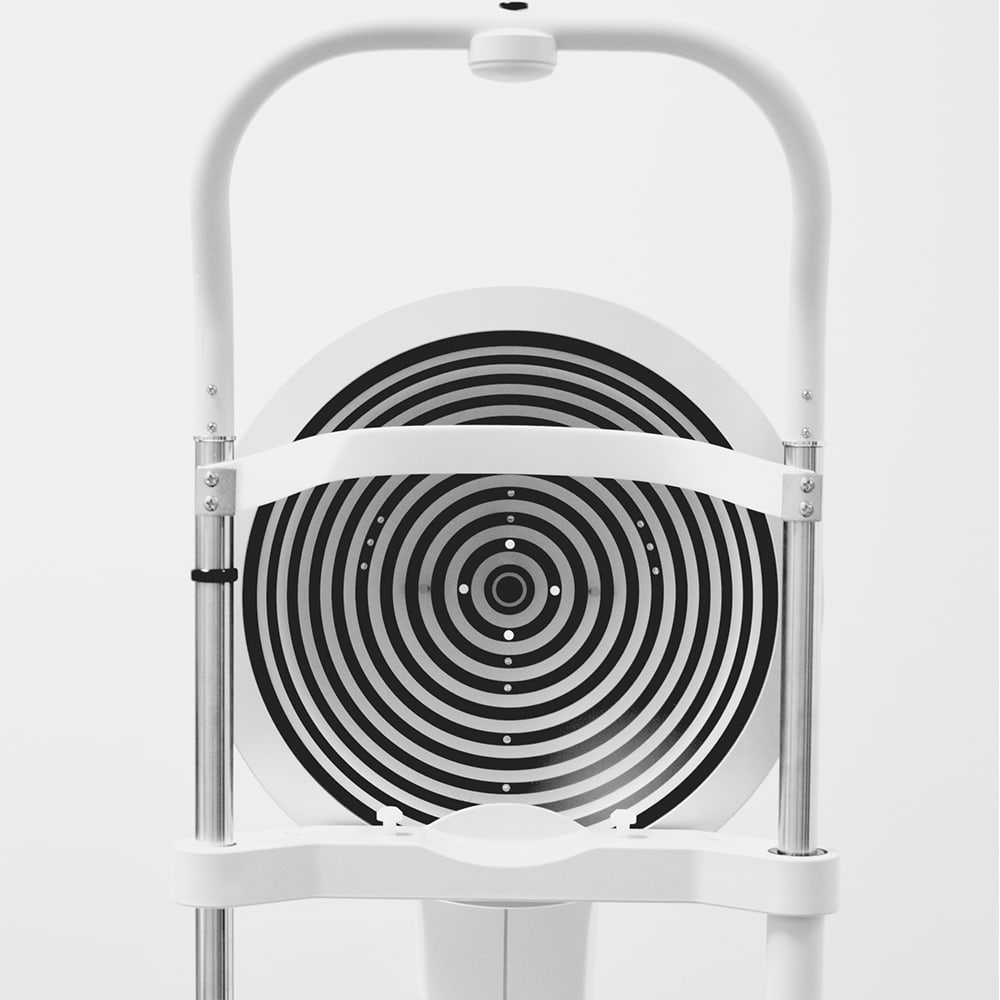
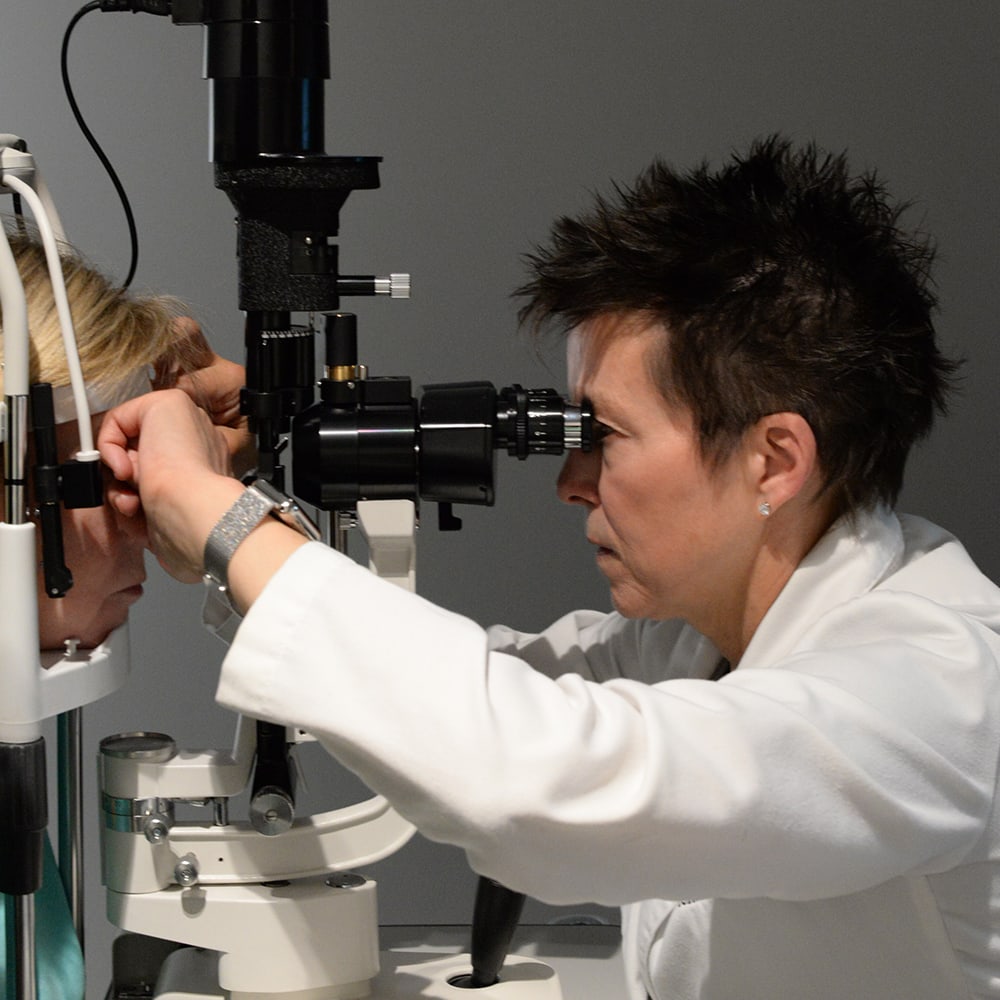
Dry eye testing looks at the quality of your tears and the health of the oil glands in your eyelids. Your optometrist may place a drop of harmless dye in your eye to see how evenly your tears spread and how quickly they break apart. Several targeted options exist for chronic dry eye, including IPL treatment.
How to Manage Ongoing Dry Eye Over Time
For many people, dry eye is a long-term condition. Regular checkups let your optometrist track your tear film and the surface of your eye, then adjust your treatment as your needs change.
Your eyes may feel different in winter than they do in summer. A new job with more screen time can change things too, so let us know when something feels off, even between visits.
Find Out What’s Causing Your Dry Eye Symptoms
If your eyes burn by lunchtime or you’re reaching for drops more often than you’d like, it’s worth a closer look. At Watson Dry Eye Center, our team takes the time to learn how your eyes feel day to day. We’ll explain what’s behind your symptoms and which treatments may help you feel more comfortable.
Book an appointment and let’s talk about your eyes.