
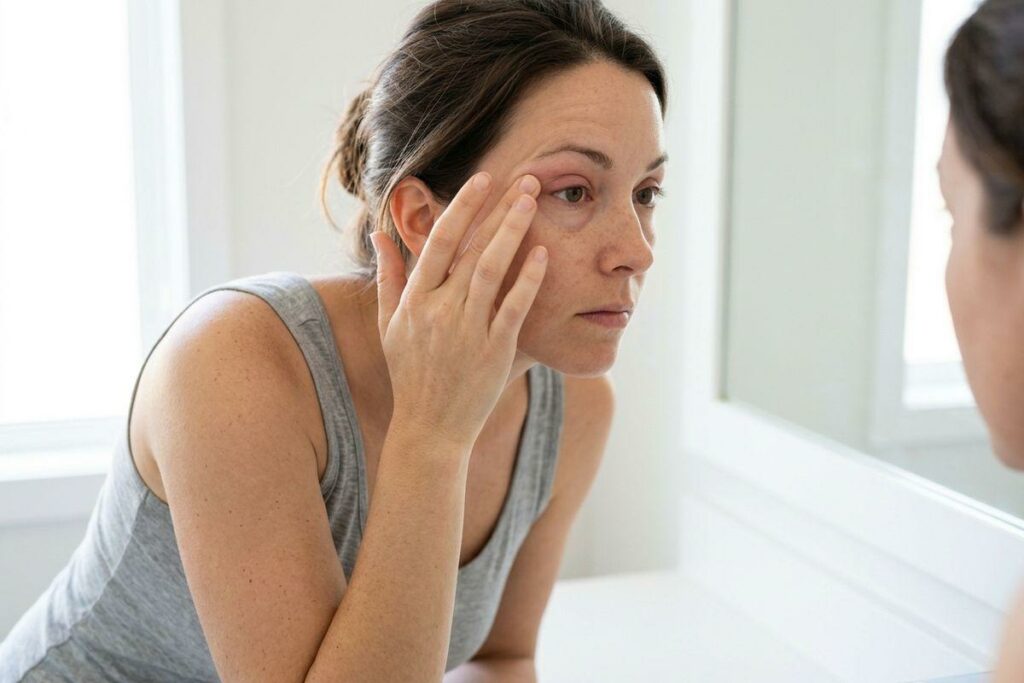
Eyelid skin is some of the thinnest on your body. A small amount of fluid or irritation changes how your lids look and feel almost right away, which is why swelling can seem to appear overnight.
Habits as ordinary as leaving eye makeup on overnight can be enough to set it off. Swollen eyelids usually trace back to allergies, a stye, or blocked oil glands along the lash line, and each cause calls for a different kind of care. When those glands are the problem, treatment from an optometrist can clear them rather than just quiet symptoms for a few hours.
What Causes Swollen Eyelids
Swelling starts when fluid collects around the eye or when the lid tissue becomes inflamed. Both happen easily in an area that thin.
Some causes clear up on their own within a day, like a short night of sleep or a heavy pollen count. Others sit deeper in the lid and keep returning until someone looks at them properly.
Timing tells you a lot. Swelling that peaks in the morning and fades by noon often points to fluid or an allergen you met the night before, while swelling that worsens as the day goes on usually involves the oil glands.
Symptoms That Come with Swollen Eyelids
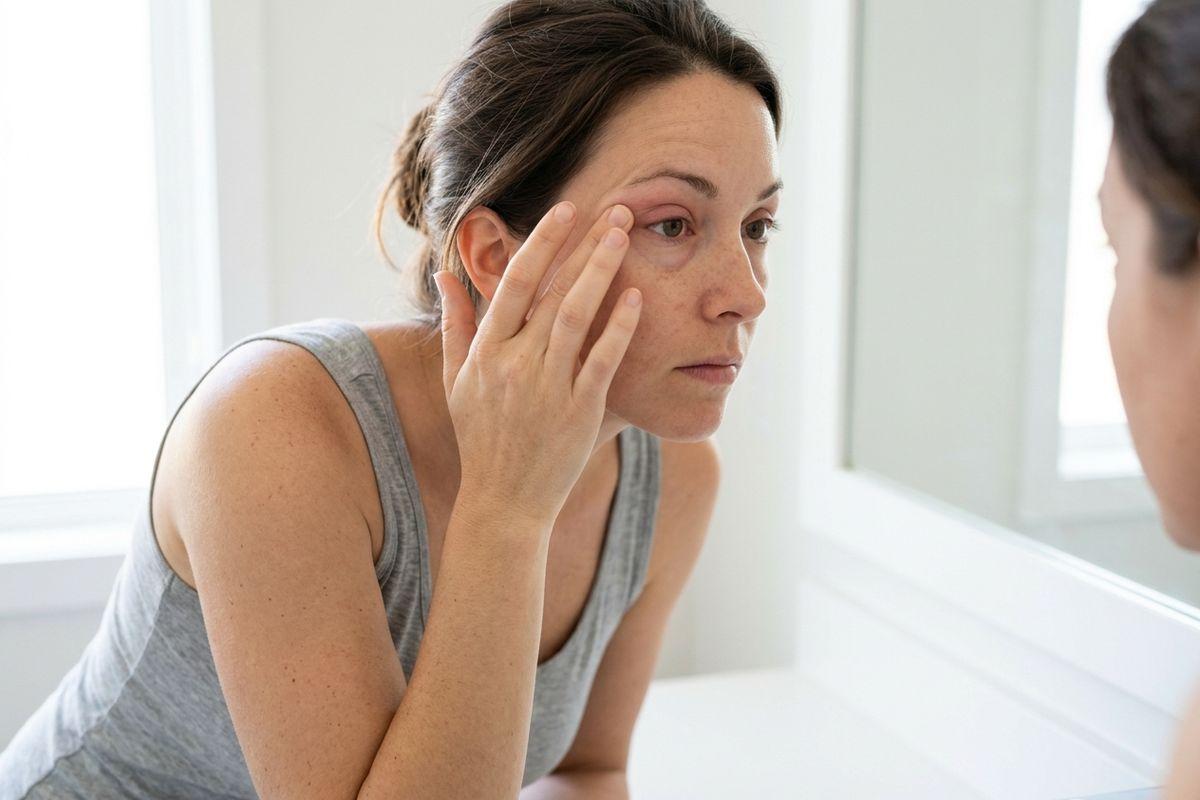
Swelling shows up differently from person to person. You might notice only slight puffiness along the lash line, or a lid that droops enough to narrow your field of view. Watch for a few of these alongside the swelling:
- Redness or warmth along the eyelid
- Itching or irritation
- Tenderness or pain when you blink or touch the lid
- Crusting or discharge, often worse in the morning
- Dryness or a gritty, sandy feeling
How Meibomian Gland Dysfunction Causes Eyelid Swelling
Your eyelids hold roughly 25 to 40 small oil glands each, and they release a thin layer of oil every time you blink. That layer keeps your tears from evaporating too quickly.
With meibomian gland dysfunction (MGD), the oil thickens or the openings clog. Pressure builds behind the blockage, the lid margin becomes inflamed, and the lid can look swollen even on days when nothing else bothers you.
Dry eye symptoms often show up alongside it. That can include burning by late afternoon, watery eyes in the wind, and blurry vision that clears when you blink hard.
Other Contributing Factors
Many ordinary things can contribute to eyelid swelling, and some overlap. Here’s what we see most often:
- Seasonal and environmental allergies, which tend to puff both lids at once
- Styes and chalazia, which form a tender bump from a blocked gland
- Short nights and fatigue
- Contact lenses worn past their replacement schedule
- Rubbing your eyes, which inflames the lid further
Treatment and Relief Options for Swollen Eyelids
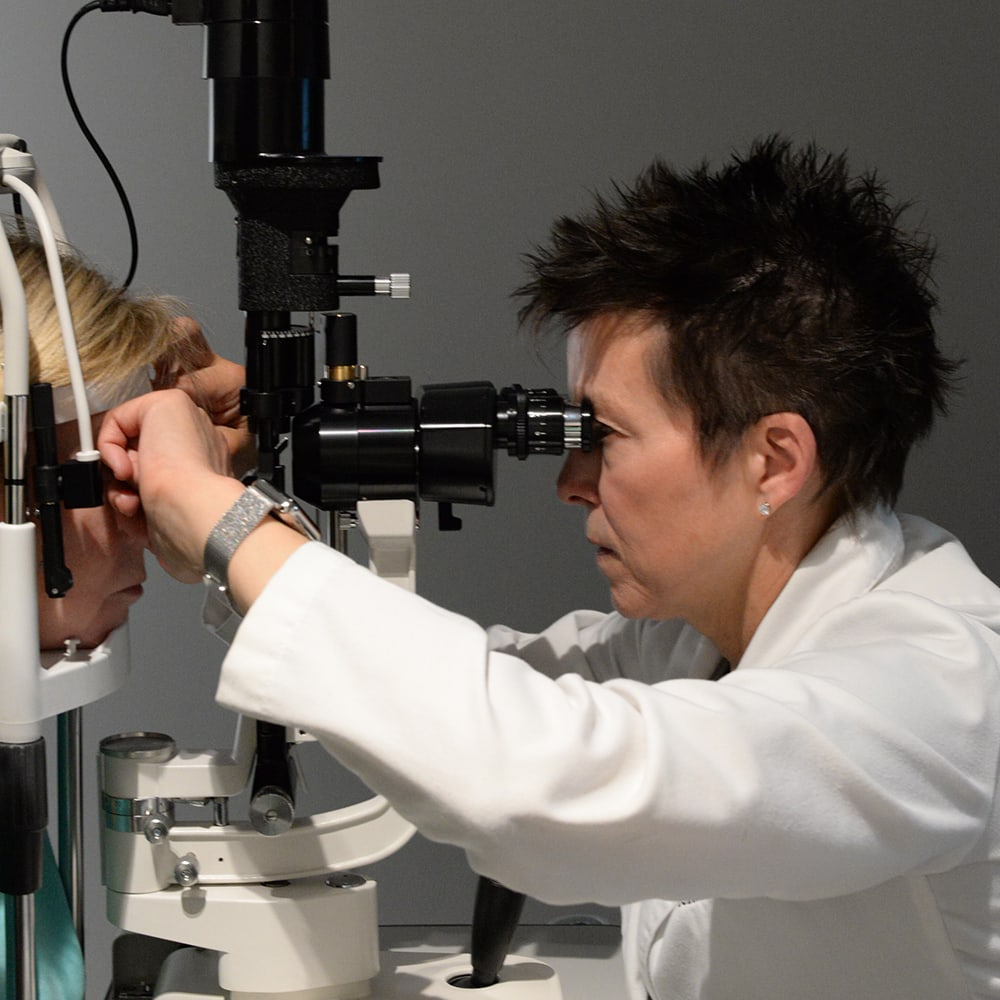
Once the cause is clear, many swollen eyelids respond well to care. An optometrist can examine your lids, ask about your routine, and build a plan around what’s actually happening rather than guesswork.

At-Home Relief
Mild swelling often settles down with a few small adjustments. Give these a week or so before you decide whether they’re helping:
- Hold a cool compress against the lids for allergy-related puffiness
- Use a warm compress for several minutes when blocked glands are the likely cause
- Clean the lash line daily with a mild cleanser made for eyelids
- Take off makeup and contact lenses before bed, every single night
Keep your hands away from your eyes in the meantime. Rubbing feels good for about 4 seconds and undoes most of what the compress accomplished.
Professional Treatments for MGD-Related Swelling
When swelling keeps returning because of MGD, at-home care can only do so much. Clearing the blockage itself is the next step.
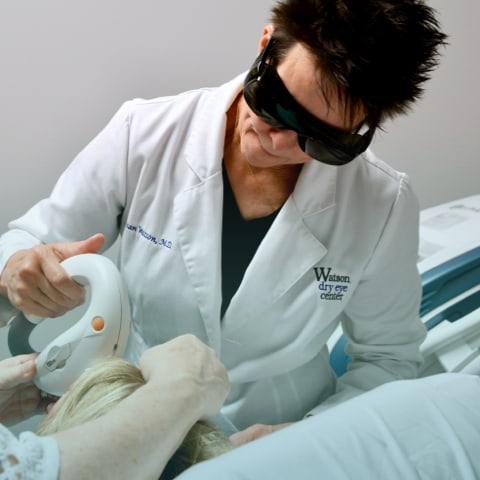
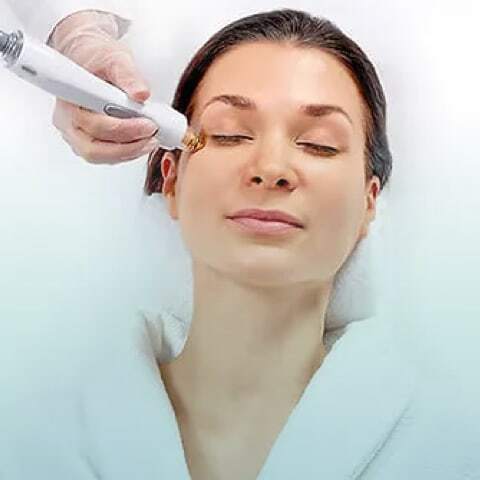
LipiFlow applies controlled warmth to the inner eyelid and gentle pressure to the outer surface, which can soften hardened oil and open the gland openings. A session takes about 12 minutes per eye.
It tends to suit people whose glands still produce oil. If imaging shows the glands have thinned or dropped out, we may recommend a different approach and explain why.
Long-Term Care for Recurring Eyelid Swelling
Swollen eyelids have a habit of coming back, particularly with MGD. Years can pass in that cycle before anyone looks at the underlying gland structure.
Regular visits give your optometrist a chance to track what’s happening before it becomes harder to manage. Gland imaging and tear film testing can show how things look now compared with your last exam.
That comparison matters more than any single appointment. Small changes to your routine, made early, can spare you a longer stretch of flare-ups later.
Find Out What’s Behind Your Swollen Eyelids
Swollen eyelids don’t have to be something you simply live with. An exam can help you find out whether allergies, a blocked gland, or something else entirely is driving it.
Schedule a consultation with Watson Dry Eye Center and let’s sort out what your eyelids are reacting to.