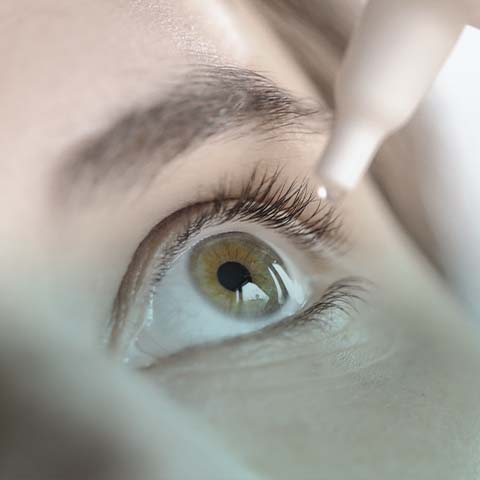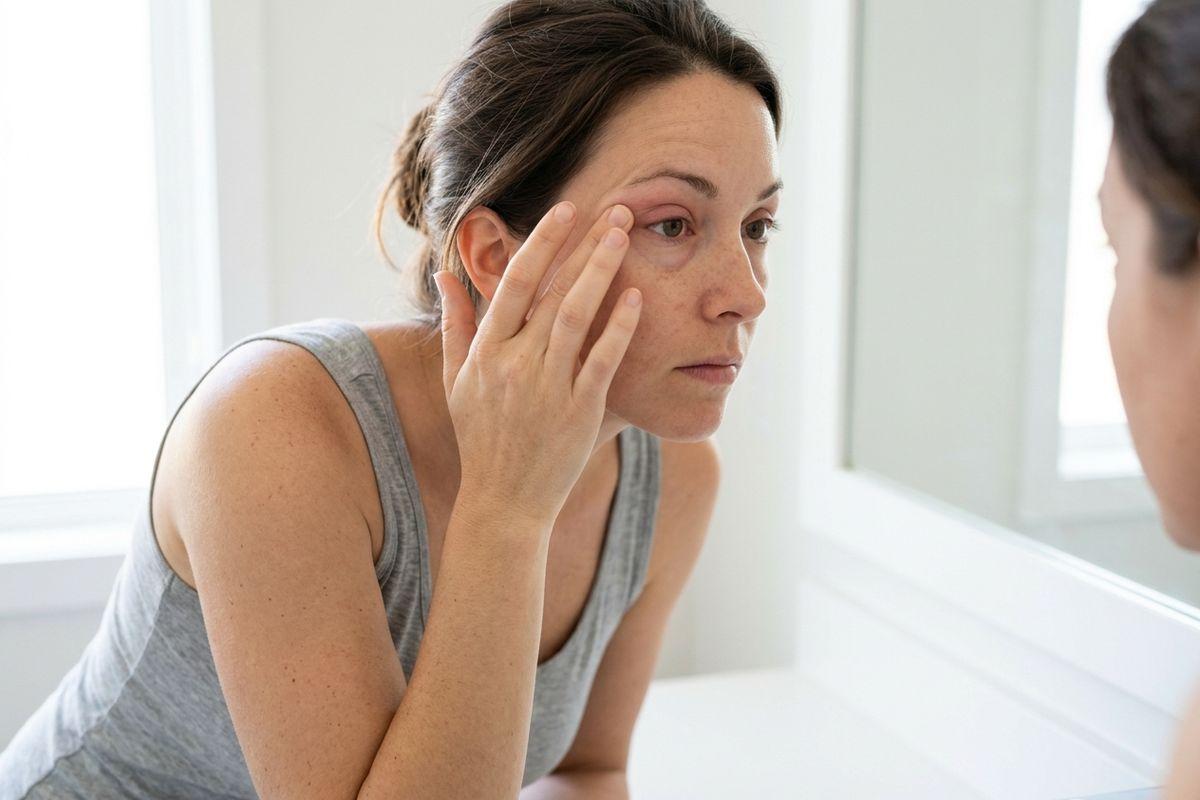


You’re going about your day when you suddenly feel it, that gritty, scratchy, and uncomfortable sensation in your eyes. It can be frustrating and disruptive when your eyes feel dry and irritated out of nowhere, making it hard to focus on work, read a book, or even drive comfortably. Our team at Watson Dry Eye Center understands that getting to the root of the problem is key.
When this happens, you just want to know why and find relief. Sudden dry eye often points to a recent change in your environment, daily habits, or overall health. Pinpointing what changed is the first step toward finding a path to relief and helping your eyes feel comfortable again.
Identify Symptoms and Similar Conditions
Symptoms of dry eye can appear quickly and range from mild to severe. You might notice one or several of these feelings at once, affecting your comfort throughout the day:
- A gritty or scratchy feeling, like sand is in your eye
- Redness and general irritation
- Blurry vision that comes and goes, especially when you use a computer
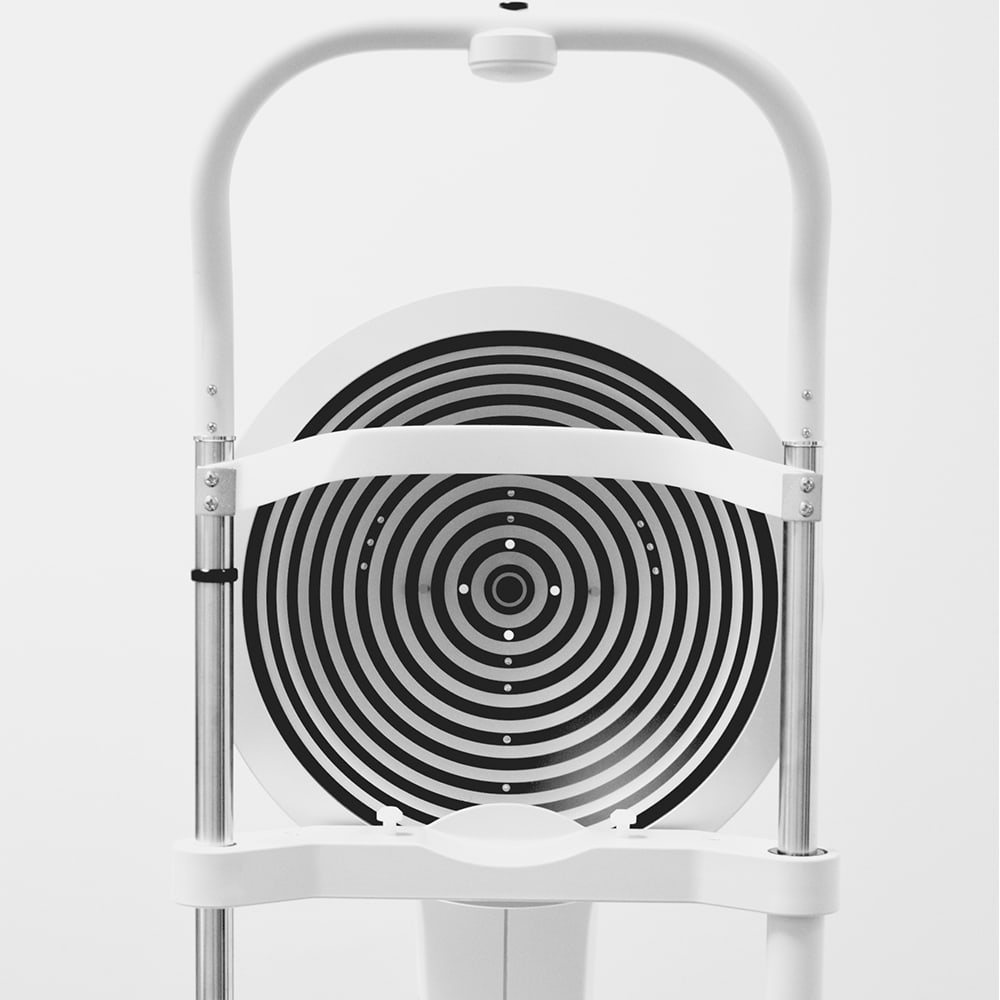
Sometimes, what feels like dry eye may be related to another issue. These conditions can have similar symptoms, so it’s helpful to understand what might be happening. A proper evaluation can help sort out the true source of your discomfort, as a comprehensive eye exam gives a full picture of your health.
Seasonal allergies, for instance, can make your eyes red, watery, and itchy. Digital eye strain from long hours in front of a screen also causes irritation. Even discomfort from your contact lenses can feel a lot like dry eye.
Everyday Triggers and Environmental Factors
Your daily routine and surroundings play a large part in your eye comfort. A simple change can be enough to disrupt your tear film, the thin layer of moisture that protects your eye’s surface.
Increased screen time is a common factor, as you tend to blink less often. This prevents tears from spreading evenly, but simple blinking exercises can help.
Dry or windy weather, air conditioning, and smoky air can also make moisture evaporate from your eyes faster. Some medications, like antihistamines or decongestants, are also recognized as common dry eye triggers.
The Link Between Dry Eye and Your Overall Health
Your eye health is connected to your total body health. Persistent dry eye can sometimes be a sign to look beyond just the surface irritation and consider other factors.
Health Conditions to Consider
Certain health conditions can affect your body’s ability to produce moisture, including in your eyes. Autoimmune conditions, hormonal shifts related to menopause, and thyroid-related eye changes are all examples of health factors that can influence tear production.
Possible Nutrient Deficiencies
What you eat can also affect your eyes. Your diet plays a role in proper skin and eye nutrition. Vitamin A is important for the health of your cornea, the clear front part of your eye. Omega-3 fatty acids, found in fish and flaxseed, help support the oily layer of your tears, which prevents them from drying up too quickly.
Simple At-Home Tips for Relief
While you figure out the source of your symptoms, a few simple habits can offer temporary relief. These small adjustments can help soothe your eyes and make you more comfortable.
Try the 20-20-20 rule when using screens, where every 20 minutes, you look at something 20 feet away for 20 seconds. You can also use a humidifier to add moisture to the air in your home or office. A warm compress placed over your closed eyelids a few times a day can also help support the oil glands that are key to healthy tears.

When to See an Eye Doctor in Raleigh, NC
If at-home care isn’t enough and your symptoms are interfering with your life, it may be time for professional support. Persistent discomfort could be related to other factors, like meibomian gland dysfunction (MGD), a condition where the tiny oil glands that line your eyelids become blocked and affect your tear quality.
You may want to schedule a visit if you experience:
- Symptoms that make daily activities difficult
- Sudden changes in your vision
- No improvement after trying at-home remedies
How an Eye Doctor Can Help
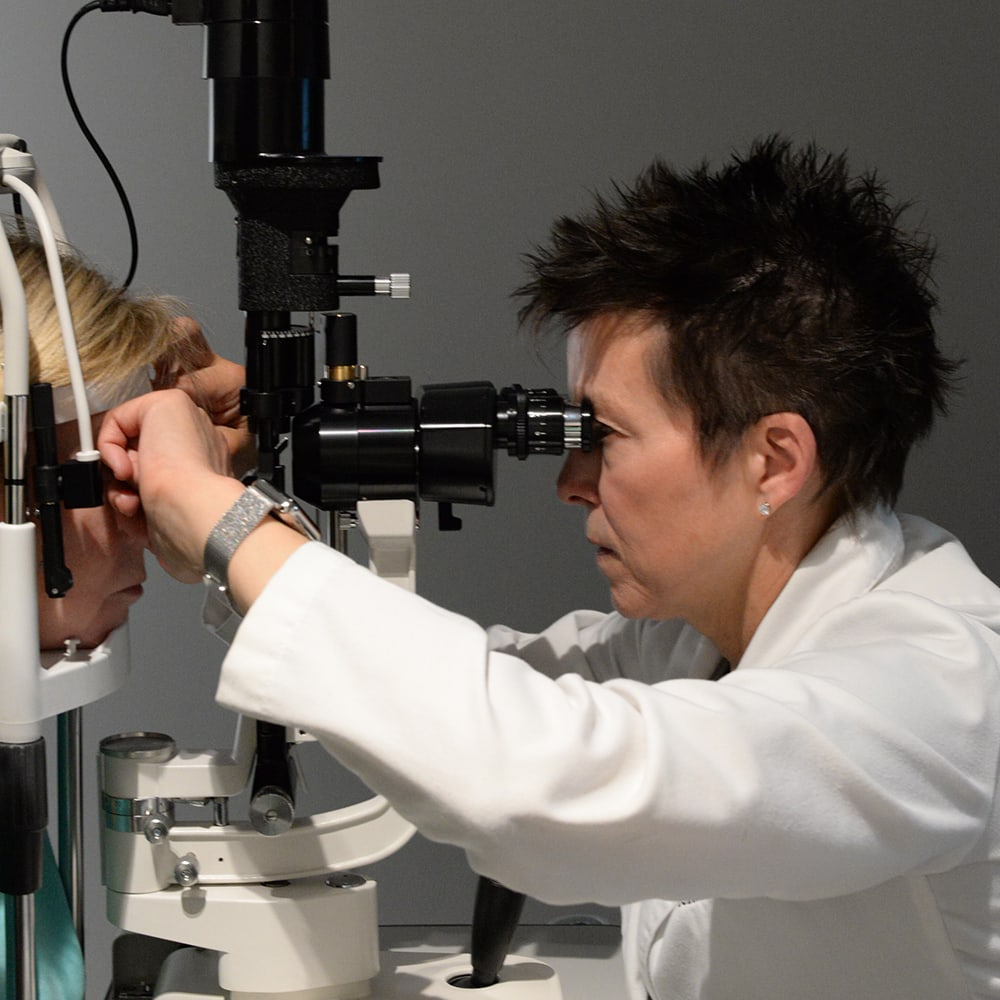
An eye doctor can perform a detailed evaluation to understand your specific needs. Based on your evaluation, your eye doctor may discuss different therapies to help manage your symptoms, such as OptiLight (intense pulsed light treatment), LipiFlow, TempSure Envi, BlephEx, or prescribed eye drops.
Don’t Ignore Discomfort
Sudden dry eye is your body’s way of telling you something has changed. Instead of just pushing through the discomfort, paying attention to these signals can help you find a path back to clear, comfortable vision. A comprehensive dry eye evaluation can help identify the factors contributing to your symptoms and find a solution that works for you.
Our team at Watson Dry Eye Center is here to help you understand your symptoms and explore personalized therapies. Schedule a consultation to find the relief you deserve.