

You may feel a constant dryness or grittiness in your eyes that over-the-counter drops just can’t seem to fix. This scratchy, uncomfortable sensation can make it hard to focus on your day. Sometimes, this eye discomfort happens along with a persistently dry mouth, making it difficult to even swallow or speak with ease.
If this sounds familiar, our team at Watson Dry Eye Center can help you find answers. There is no single test for Sjögren’s syndrome—rather, a combination of specialized evaluations helps provide a complete and accurate picture of your health. This thorough approach is key to understanding what’s happening with Sjögren’s disease so you can find a path to feeling more comfortable.
What Is Sjögren’s Syndrome?
Sjögren’s syndrome is an autoimmune condition. This means your immune system, which normally protects you from germs, mistakenly targets your own body. Specifically, it affects the glands that produce moisture, like your tear and salivary glands.
When these glands become inflamed, they can’t produce enough tears or saliva. This is what leads to the signature symptoms of dry eye and a dry mouth. Because it’s a systemic condition, Sjögren’s can also affect other parts of your body, including your skin and joints.
Common Symptoms You Might Notice
The signs of Sjögren’s often show up first in your eyes and mouth, but they can extend beyond dryness. You might experience a range of symptoms that seem unrelated at first. Paying attention to these clues can help you and your eye doctor connect the dots.
Common signs include:
- Dry, scratchy, or burning eyes
- A gritty or sandy feeling in your eyes
- Persistent dry mouth or trouble swallowing
- Dry skin or rashes
- Joint pain or stiffness
- Ongoing fatigue that doesn’t improve with rest
How an Eye Doctor Can Help
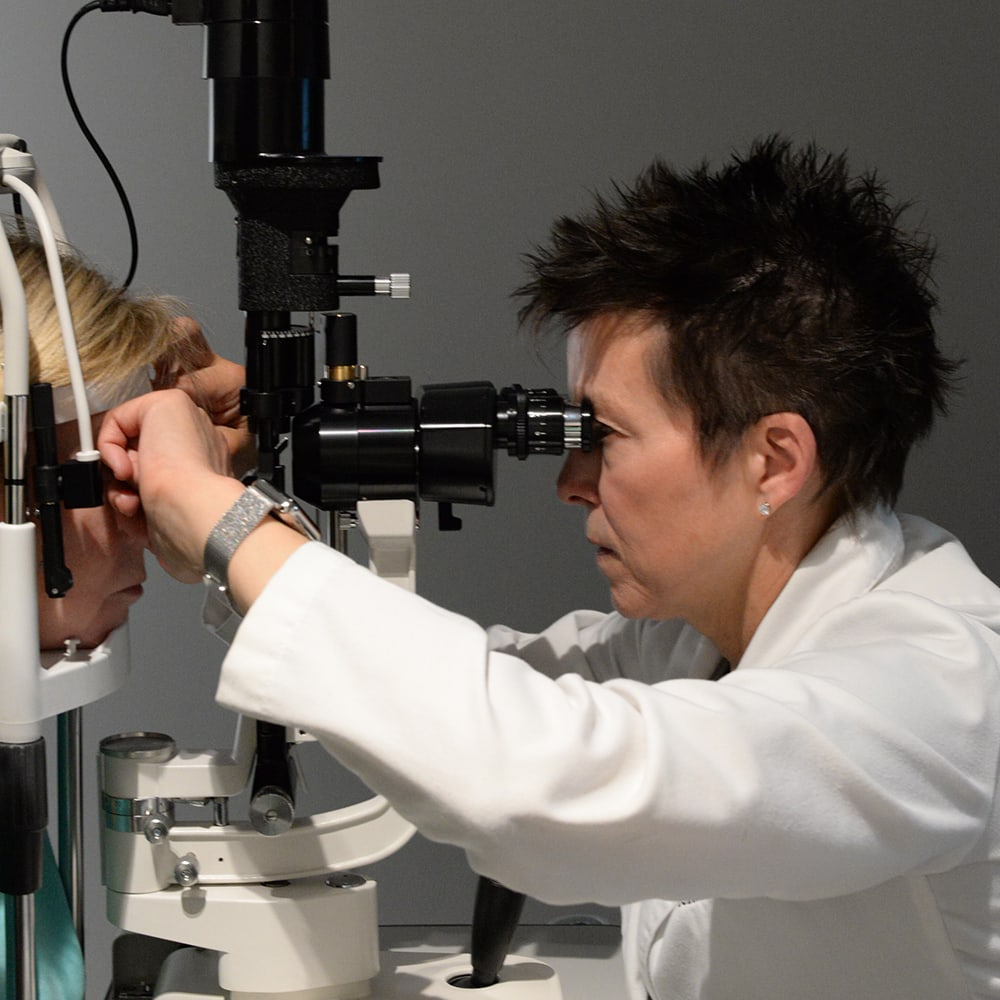
A comprehensive eye exam is a critical piece of the diagnostic puzzle. An eye doctor in Raleigh, NC, with a focus on dry eye, can perform specific, noninvasive tests to evaluate your tear health. This specialized assessment goes beyond a routine vision check to get to the root of your discomfort.
Ocular Surface Stain
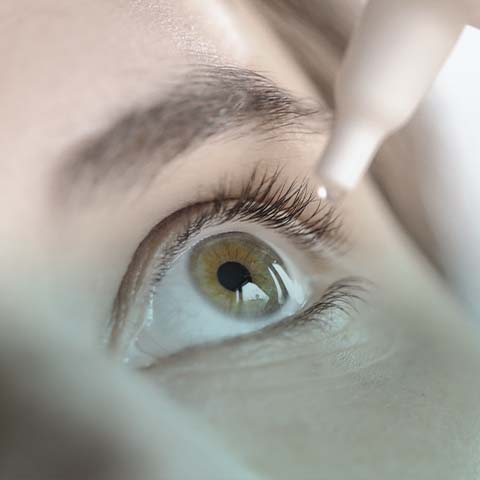
To see how dryness is affecting the surface of your eye, an eye doctor may use special dyes such as fluorescein or lissamine green. These are applied either as a liquid eye drop or via a small, sterile paper strip that gently touches the eye’s surface. They temporarily highlight any microscopic dry spots or damaged cells on your cornea and conjunctiva, which are invisible to the naked eye.
Diagnostic Tear Testing
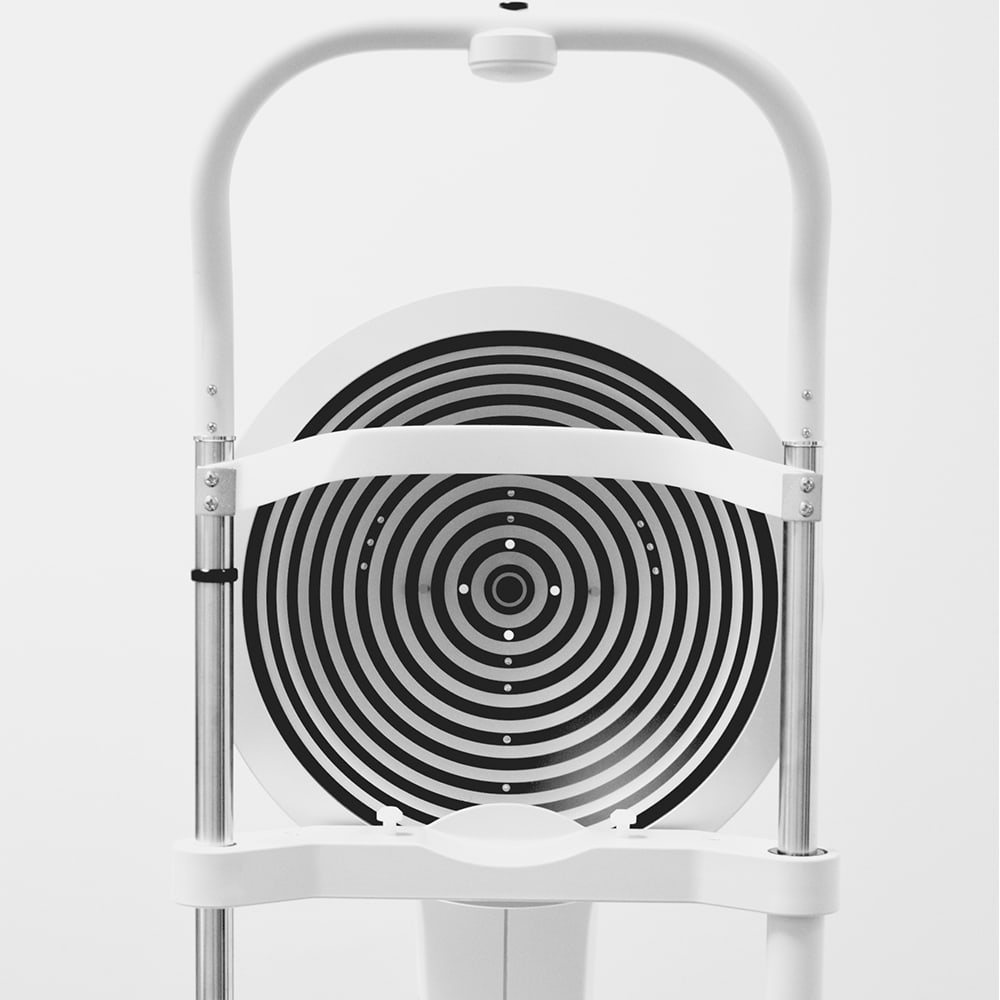
Our clinic also offers advanced tear analysis using specialized imaging technology that precisely measures tear volume without the discomfort of traditional paper strip testing. This noninvasive system delivers highly accurate, objective measurements, allowing our team to better understand your tear health and tailor treatment more effectively.
Other Diagnostic Tools for a Clear Picture
Because Sjögren’s affects more than just your eyes, a complete diagnosis often involves looking at other health markers. These tests help confirm if an autoimmune response is the source of your symptoms.
Blood Work and Markers
A blood test can detect specific antibodies common in people with autoimmune conditions such as Sjögren’s. Finding these markers helps confirm that your immune system is involved, providing another important piece of information for an accurate diagnosis.
Salivary Gland Biopsy
In some cases, an eye doctor may recommend a minor salivary gland biopsy. This procedure involves removing a tiny piece of tissue from a salivary gland inside your lip. Examining this tissue under a microscope can reveal inflammation in the moisture-producing glands, which is a hallmark of Sjögren’s syndrome.
Treatment Options to Manage Your Symptoms
Once you have a clear diagnosis, the focus shifts to managing your symptoms and improving your daily comfort. Treatment plans are personalized to address your specific needs and can involve a combination of approaches. Therapies may include prescription eye drops to support tear production or tiny punctal plugs to help your eyes retain their natural tears.
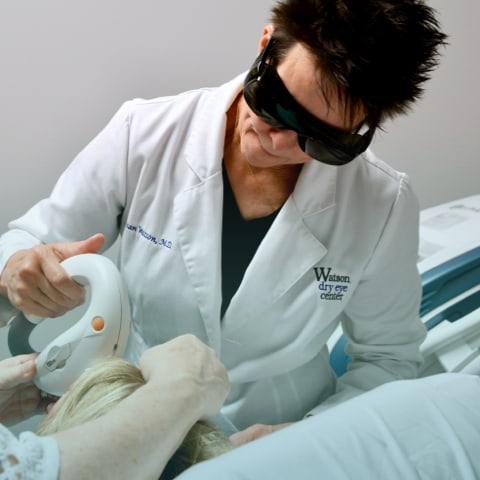
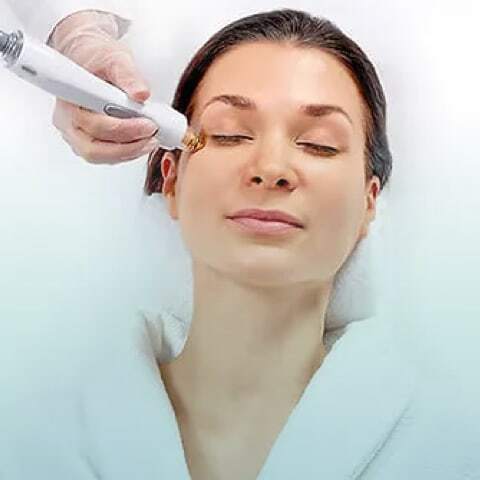
Many people with Sjögren’s also have meibomian gland dysfunction (MGD), which affects the oil layer of the tears. Addressing this can prevent tear evaporation and protect the eye’s surface with options like LipiFlow, radiofrequency, or intense pulsed light (IPL). A team approach can also help you manage related symptoms, such as dry mouth and joint pain, to support overall wellness.
Find Relief Today
Living with the chronic dry eye that often comes with Sjögren’s can be challenging, but you don’t have to manage it alone. With a careful diagnosis and a personalized plan, you can find effective ways to soothe your symptoms and get back to your life. Our team at Watson Dry Eye Center is dedicated to a thorough, patient-focused approach to help you find lasting comfort. Schedule a consultation today to learn more.