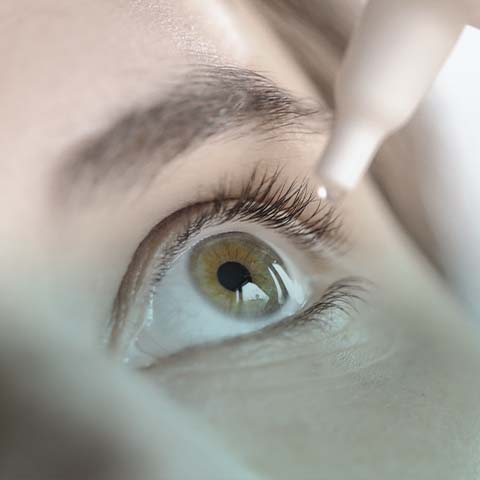


Your skin might often feel tight, scratchy, or easily irritated. You may notice this discomfort most around your eyes, where the skin is delicate. These reactions can be confusing, but they are common signals that you may have sensitive skin.
Understanding these signs, such as reddness, flushing, burning, or scratching, is the first step toward finding gentle, effective relief for both your skin and your eyes. Our team at Watson Dry Eye Center can help you learn more about the connection between skin health and eye comfort, creating a care plan that addresses your specific needs.
Understanding Sensitive Skin
It’s Reactive Skin
Think of sensitive skin as reactive skin. Its natural defense barrier is often a little weaker than it should be. This means irritants from the environment or skincare products can get through more easily, leading to feelings of discomfort like burning or tightness.
How It’s Different from an Allergy
While the symptoms can seem similar, skin sensitivity is different from an allergy. Sensitivity is a surface-level irritation caused by a product or substance. An allergy involves your immune system and can cause a more widespread reaction. Sometimes, these conditions can overlap with others, such as ocular rosacea, which affects both the skin and the eyes.
Key Signs and Symptoms of Sensitive Skin
What You Might See
When your skin is sensitive, you may notice visible changes. These signs often appear after you use a new product or when the weather changes. Look out for:
- Redness, flushing, or blotchy patches
- Dry or flaky areas that feel rough to the touch
- Small bumps or breakouts that are not acne
What You Might Feel
How your skin feels is just as important as how it looks. Sensitive skin can create uncomfortable sensations that distract you from your day. You might experience:
- A burning or stinging feeling, especially after applying products
- Scratchiness or general discomfort
- A feeling of tightness, particularly around your eyes
Common Factors for Skin Sensitivity
Products and Ingredients
Many everyday products can bother sensitive skin. Fragrances, harsh detergents, and certain alcohols in makeup or skincare are frequent culprits. Even household cleaners can contribute to a reaction. Taking care to gently remove your makeup at the end of the day can also help reduce irritation.
Environmental and Lifestyle Factors
Your surroundings and daily habits play a big role. Exposure to the sun and wind can weaken your skin’s barrier. Sudden changes in temperature or humidity can also lead to discomfort. Factors like stress and hormonal shifts can make your skin more reactive than usual.
Gentle Care for Sensitive Skin and Eyes
Choose Products Wisely
You can soothe your skin by selecting products with care. Look for fragrance-free, gentle formulas designed for sensitive skin. When it comes to makeup, especially for your eyes, choose products that are less likely to cause irritation. A little research before you buy can make a big difference.
Build a Simple Routine
A complicated routine can overwhelm sensitive skin. Sticking to the basics—a gentle cleanser, a simple moisturizer, and a daily sunscreen—can help keep your skin calm and protected. If you have concerns about the skin around your eyes, an eye doctor in Raleigh, NC, can provide guidance.

Professional Help for Your Skin and Eyes
Get Personalized Advice
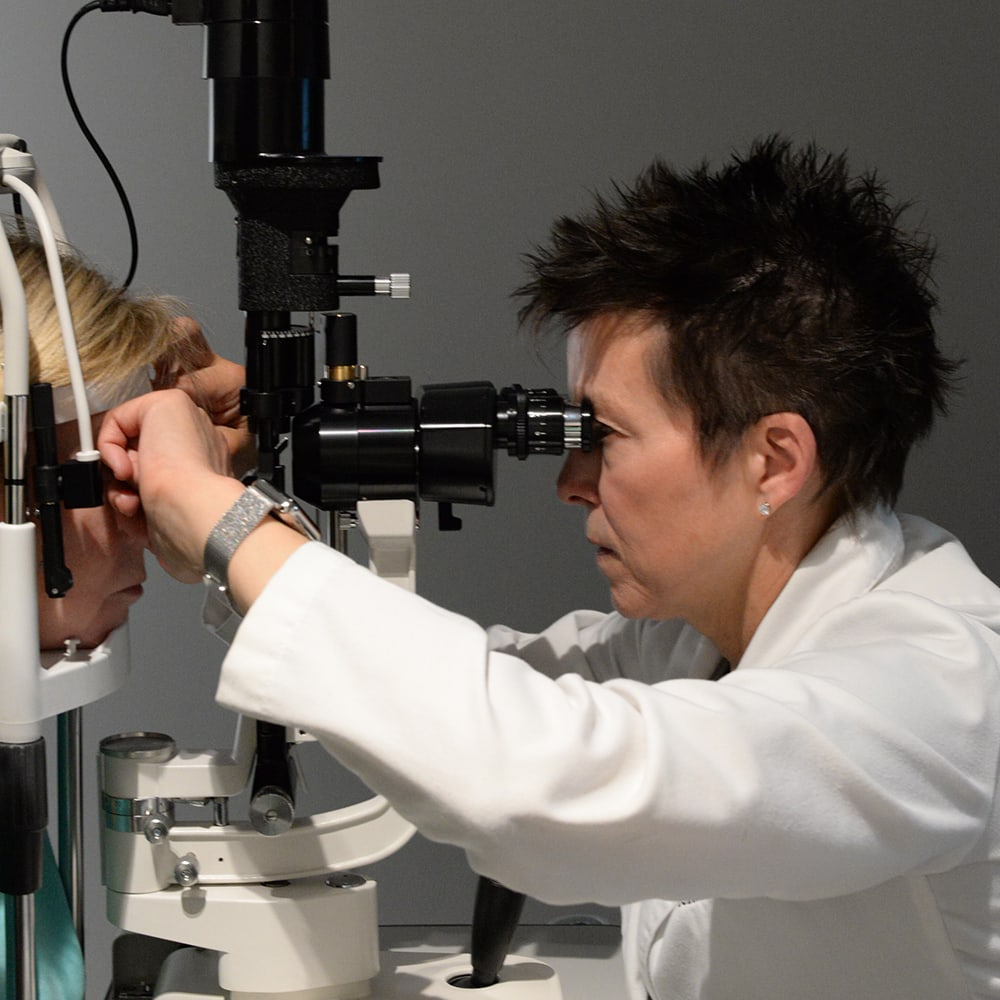
It can be hard to figure out what is causing your skin’s reactions on your own. A professional can help you identify your specific triggers. With this information, you can get a simple, customized care plan to find relief and rule out other skin or eye conditions.
Protect the Delicate Eye Area
The skin around your eyes is the thinnest on your body, making it extra prone to irritation. This irritation can directly affect your eye comfort and may be associated with conditions such as dry eye or meibomian gland dysfunction (MGD). Specialized treatments can help restore balance to the area for lasting comfort.
Soothe Your Skin
Learning what your skin needs is the key to feeling comfortable again. By paying attention to signs of sensitivity and making gentle choices, you can protect both your skin and your eyes. At Watson Dry Eye Center, our team focuses on your complete comfort with a personalized approach to care.
If you’re looking for solutions for your sensitive skin and eyes, schedule a visit to speak with an eye doctor in Raleigh, NC, and discover a path to relief.