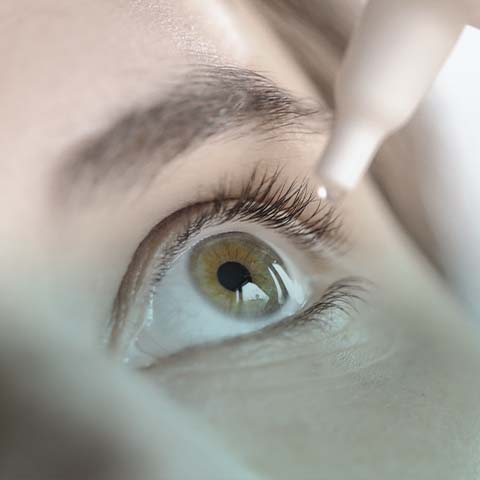


That gritty, burning feeling in your eyes can be more than just a minor annoyance. When your eyes feel sandy or constantly water, it can disrupt everything from reading a book to driving. This discomfort is often a sign of Meibomian Gland Dysfunction, or MGD, a common cause of dry eye.
You may be wondering whether you have to live with this feeling forever. Meibomian gland dysfunction is a long-term condition that requires consistent management, but you can achieve long-term relief with proper care. The team at Watson Dry Eye Center can help you determine which treatment method may be most effective for you, with guidance from an eye doctor in Raleigh, NC.
Meibomian Gland Dysfunction & Common Symptoms
Your eyelids contain tiny glands called meibomian glands. Their job is to produce a special oil that coats the surface of your eyes. This oil layer keeps your tears from evaporating too quickly, keeping your eyes moist and comfortable.
MGD happens when these glands get blocked or do not produce enough oil. Without that protective layer, your tears dry up fast, leading to the familiar symptoms of dry eye. This condition is quite common and is a primary reason people experience eye discomfort.
How to Recognize the Signs of MGD
The symptoms of MGD can range from mild irritation to significant discomfort that affects your daily activities. Because your tears are unstable, you may even notice your vision becomes blurry at times, clearing up when you blink.
Common signs to look for include:
- A gritty or sandy sensation in your eyes
- Burning or stinging
- Excessive watering or teary eyes
- Redness along your eyelids
- Vision that changes or blurs

Why MGD Happens
Your meibomian glands work hard to keep your eyes protected with a layer of oil. Many factors can influence how well these glands do their job. Certain lifestyle habits and changes in your body can affect oil production, sometimes making symptoms worse.
MGD Causes & Triggers
Several factors can contribute to your glands not working as they should. Age and hormonal changes can naturally reduce oil production. Extended time in front of digital screens often leads to less frequent blinking, which means the oils are not spread across the eye properly. Even your environment—like a dry or windy climate—can play a role.
Treatment & Relief Options for MGD
The good news is that you can manage MGD effectively with consistent care. Relief often comes from a combination of at-home habits and professional treatments. An experienced eye doctor in Raleigh, NC, can create a personalized plan to help you find lasting comfort.
Address Meibomian Gland Dysfunction At Home
You can begin managing MGD symptoms with simple routines at home. These steps can help improve gland function and provide relief. If these methods do not seem to help enough, professional options are available.
Some helpful at-home care includes applying a warm compress over your closed eyes, practicing good eyelid hygiene, and always removing makeup before bed. After using a warm compress, you can gently massage your eyelids with clean hands to help encourage the natural flow of oils.
Professional Treatments
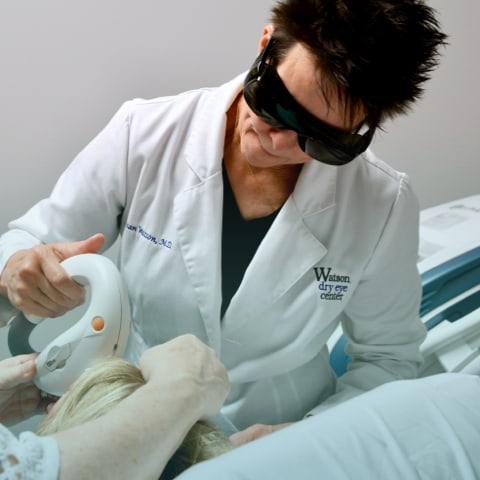
For more persistent MGD, professional treatments can offer significant relief. One such treatment is Intense Pulsed Light (IPL). This therapy uses gentle pulses of light to reduce inflammation, warm the meibomian glands, and help improve oil flow. Other in-office treatments are also available, and a professional can help determine which approach is right for your specific needs.
Manage MGD Over Time
Everyone experiences MGD differently—what works for one person may not be the right fit for you. The key is to find a management plan that suits your needs. With a consistent approach, you can reduce your symptoms and protect your vision for the long run.
A Partnership with Your Optometrist
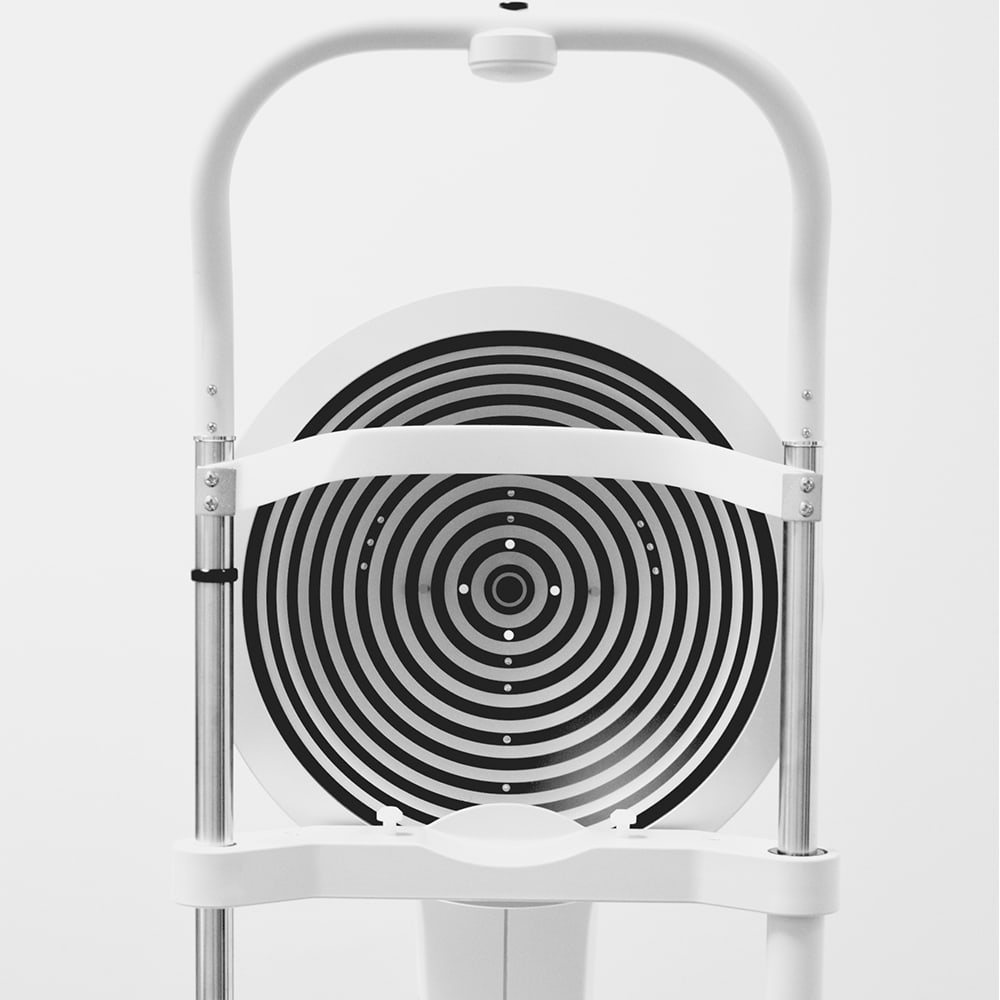
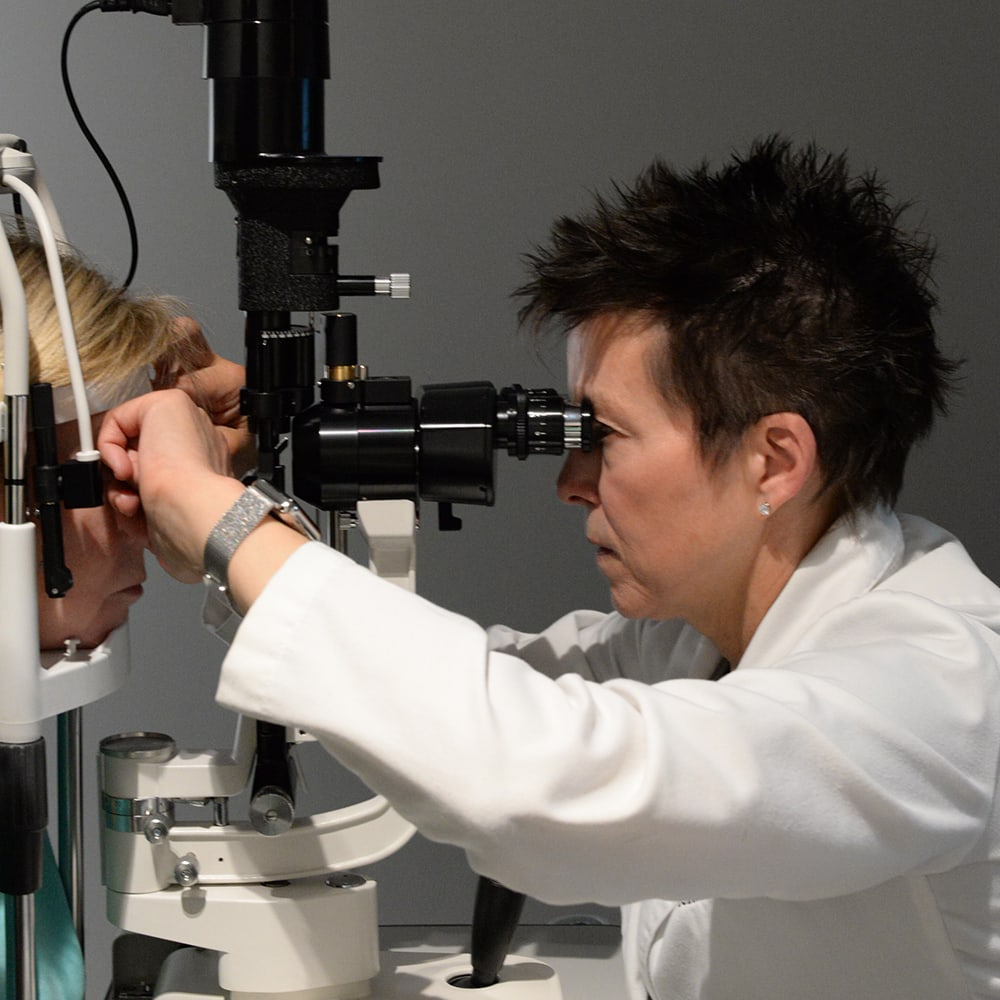
Long-term management works best when you have regular check-ups with your eye care professional. They can use specialized diagnostic tools to evaluate your glands and track your progress over time. Think of it as a partnership focused on adjusting your care as needed to keep your eyes comfortable and healthy.
When to See a Professional for Help with MGD
You do not have to let the discomfort of MGD control your life. If you feel a constant gritty, burning, or watery sensation, it is a good idea to seek professional advice. Taking action can help you find relief and get back to enjoying your life with comfortable, clear vision.
To find a personalized plan for ongoing eye comfort, schedule a consultation at Watson Dry Eye Center. The team is here to help you understand your symptoms and explore your options for relief.