

You have spent hours focused on your computer screen, and when you finally stand up, the room feels a little unsteady. Maybe you feel lightheaded after a long drive or while reading a book. This uncomfortable, dizzy sensation can be unsettling and may leave you wondering what is causing it.
Many people are surprised to learn that their eyes and sense of balance are closely linked. Yes, eye fatigue can contribute to feelings of dizziness when your brain receives conflicting information from your tired eyes. This mismatch forces your brain to work harder to keep you feeling stable, which can sometimes lead to that disorienting sensation. The team at Watson Dry Eye Center can help you explore personalized care based on your specific needs.
The Connection Between Your Eyes & Balance
Your ability to stay balanced relies on constant communication between three key systems in your body and your brain. Your inner ear senses motion, your muscles and joints report your body’s position, and your eyes provide visual information about your surroundings. These three sources work together to give you a clear sense of stability, and a comprehensive eye exam can check on this important part of your overall health.
The Signals Your Brain Receives
When your eyes are tired, they can send blurry or inconsistent images to your brain. This creates a mismatch with the information coming from your inner ear and muscles. Your brain struggles to make sense of these mixed signals, which can leave you feeling off-balance or dizzy.
Symptoms of Eye Fatigue
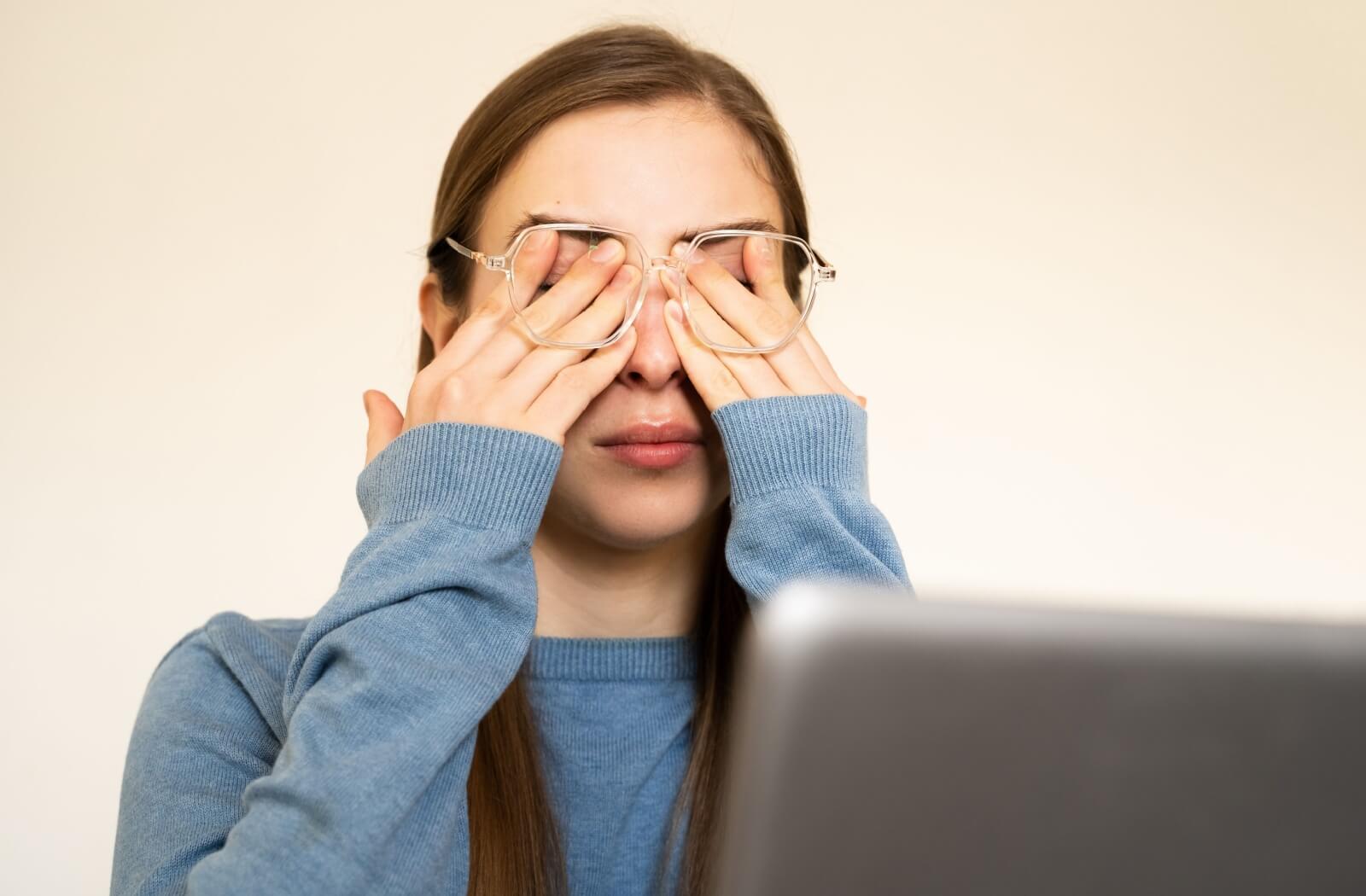
Beyond dizziness, you might notice other signs that your eyes are overworked. Common symptoms of eye fatigue include:
- Eyes that feel heavy or ache
- Dry, itchy, or watery eyes
- Blurred or double vision
- Headaches around the eyes or temples
- Difficulty keeping your focus
Common Causes of Eye Fatigue
Eye fatigue, also known as asthenopia, happens when your eyes get tired from intense use. It is similar to how any other muscle in your body feels after a hard workout. Your eye muscles can become strained from prolonged, concentrated tasks, often leaving you with tired-looking eyes.
Causes Can Include
Many daily activities can lead to eye fatigue. Some of the most common triggers are:
- Long periods of screen use on computers, phones, or tablets—often called computer vision syndrome
- Reading for an extended time without a break
- Driving long distances, especially at night or in bad weather
- Exposure to very bright light or glare
- Trying to see in dim light
How to Know When the Dizziness Is Connected to Your Eyes
Dizziness can have many different causes, so it is helpful to notice when it happens. If your dizziness is related to your vision, you might experience other specific symptoms at the same time. These can include:
- Blurry or double vision
- Sensitivity to light
- Dizziness that gets worse after you read or use a screen
- A feeling that your surroundings are moving or spinning

How Dry Eye Can Contribute to Eye Fatigue
If you also have dry eye, that discomfort can make eye fatigue even worse. Dryness often leads to irritation and fluctuating vision, forcing you to blink or squint more to see clearly. This constant effort puts extra stress on your eye muscles, which can increase fatigue and your chances of feeling dizzy.
Meibomian Gland Dysfunction (MGD) & Eye Comfort
A primary cause of dry eye is Meibomian Gland Dysfunction, or MGD. Tiny glands along your eyelids, called meibomian glands, produce an oil that protects your tears from evaporating too quickly. When these glands become blocked, your tears become unstable, leading to dryness, burning, and irritation. Fortunately, treatments are available to help restore gland function and improve your eye comfort.
Tips to Relieve Eye Fatigue & Dizziness
Small changes to your daily routine can help reduce eye fatigue. Taking regular breaks from visual tasks gives your eyes a chance to rest. Simple actions like blinking exercises can also help, along with adjusting the lighting in your room and staying hydrated to support healthy tear production.
Practice the 20-20-20 Rule
A simple yet effective way to relax your eyes is to follow the 20-20-20 rule. Every 20 minutes, take a 20-second break to look at something at least 20 feet away. This quick exercise allows your eye muscles to relax and helps reduce strain.
Optimize Your Environment
Make your workspace more comfortable for your eyes. Position your computer monitor at or just below eye level and adjust its brightness to match the light in the room. You can also increase the font size on your devices to prevent squinting.
When to See an Eye Doctor
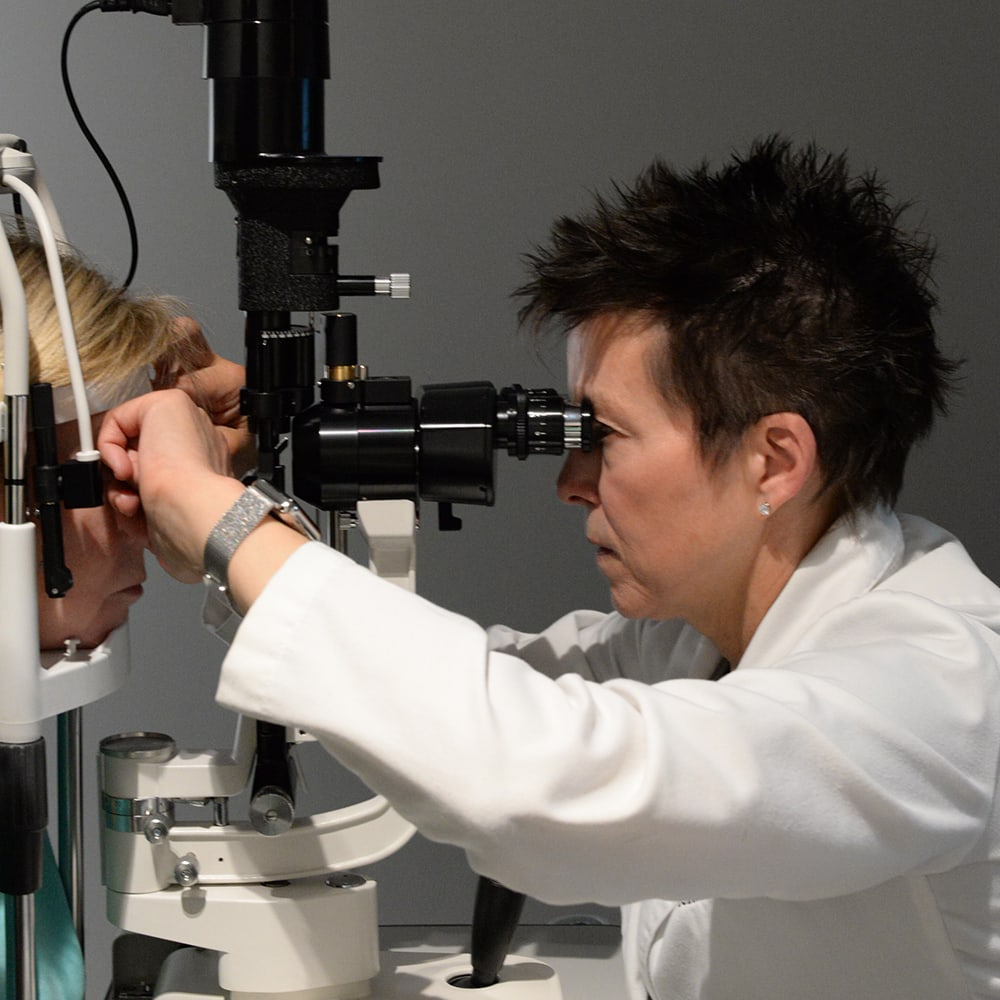
If you experience persistent eye fatigue or dizziness, it may point to an underlying issue that simple lifestyle changes cannot fix. Schedule an eye exam with an eye doctor is a proactive step toward identifying the cause of your discomfort.
A thorough evaluation of your eye health can provide a clear diagnosis and a personalized plan to help you find relief. You do not have to just live with the discomfort. Taking your symptoms seriously and seeking professional care helps protect your vision and improve your daily comfort.
At Watson Dry Eye Center, the team has decades of experience helping people understand and manage their symptoms. Schedule an appointment today to learn more about managing eye fatigue and improving your overall comfort.